




COB LED vs SMD LED: Which Technology Fits Your Project in 2026?
By hyderali
Nov 14, 2026
Related Posts
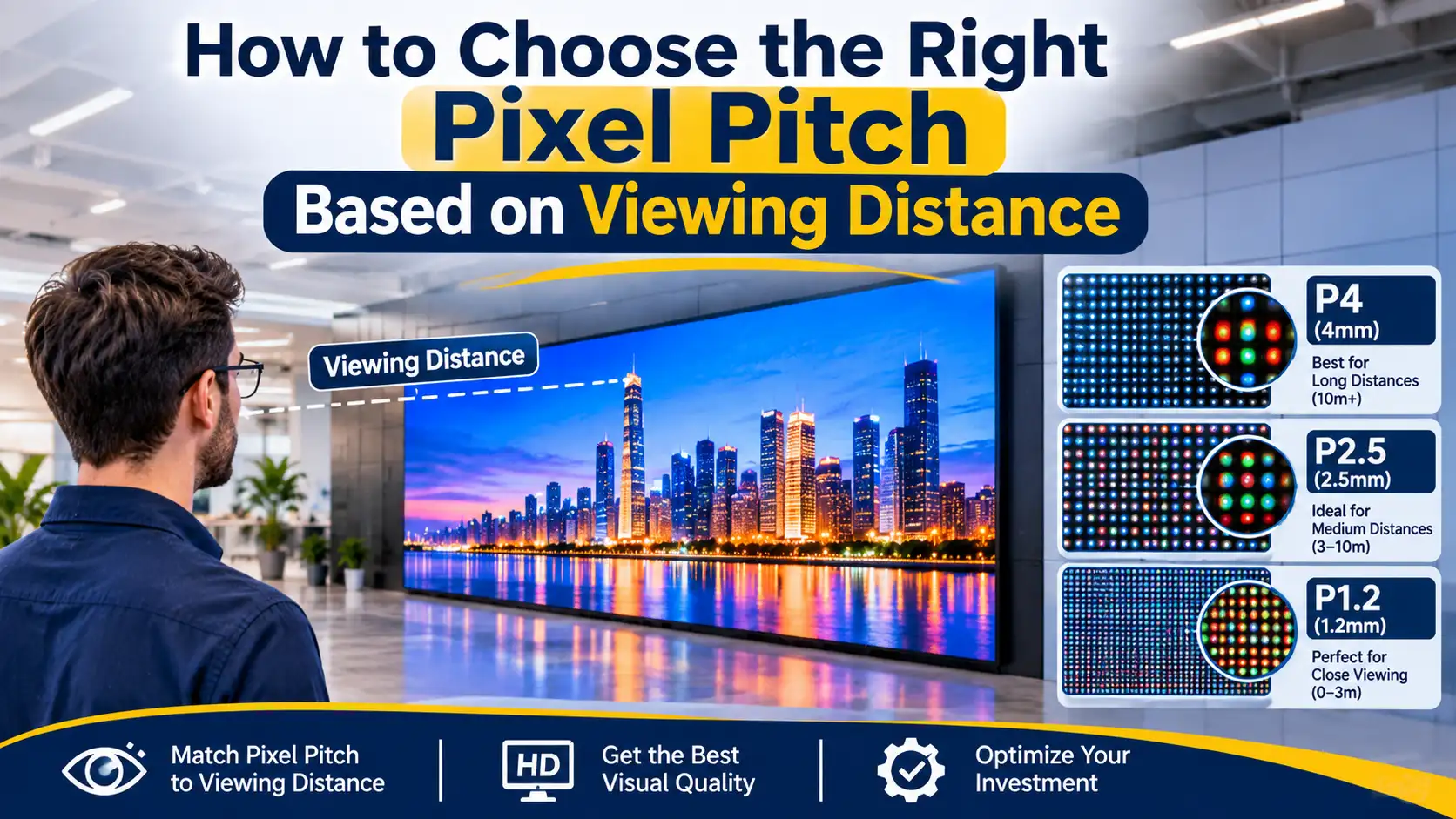
How to Choose the Right Pixel Pitch Based on Viewing Distance
November 14, 2026
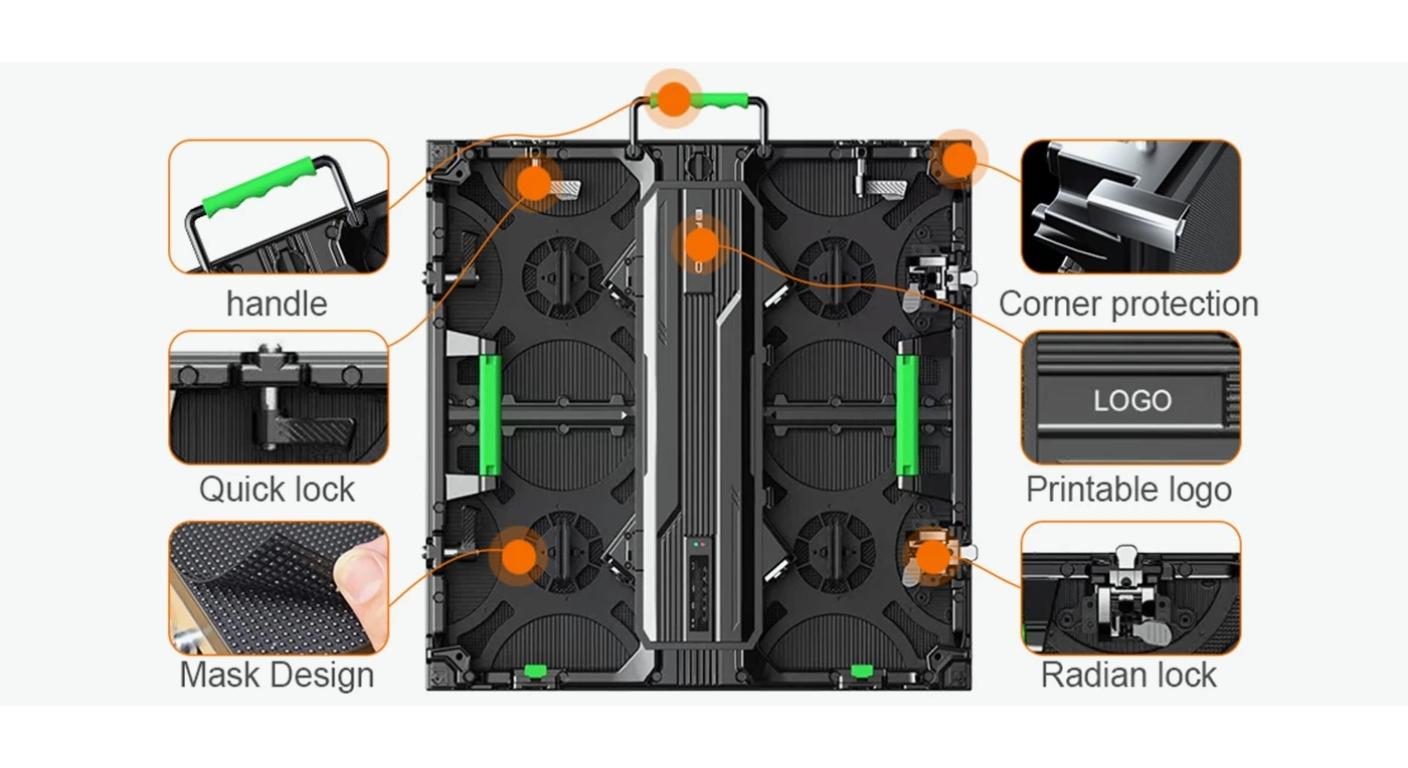
Corner Protection Rental LED Panel: Damage Prevention and Maintenance Guide
October 30, 2026
How to Choose a Shop Window Transparent LED Display for Retail Stores
October 29, 2026
Iron vs. Aluminum Outdoor LED Display Cabinets: How to Choose
October 28, 2026
COB LED vs SMD LED can be a confusing choice when you're planning a new display. One supplier recommends COB for its smooth surface, another suggests SMD for flexibility, and then IMD enters the discussion. Which one should you actually choose?
It's easy to spend time comparing specifications without knowing which ones matter most. The right technology depends on where people will view the screen, how close they will stand and what the display needs to do.
Here are the main points to consider before requesting a quotation:
- COB: A strong option for fine-pitch indoor screens and close viewing.
- SMD: A flexible choice for many indoor, outdoor and rental applications.
- IMD: An option for fine-pitch displays that need a compact LED package.
- Pixel pitch: Helps determine how sharp the image looks at a given distance.
- Brightness: Must match the lighting conditions around the screen.
- Maintenance: Should fit the location and service access available.
What Is the Difference Between COB, SMD and IMD LED Displays?
The main difference is how manufacturers package and mount the LED chips. COB places bare LED chips directly on a board and covers them with a protective layer. SMD uses individual packaged LED components, while IMD combines multiple LED chips into a compact package. These structures affect surface protection, repair methods and suitable applications.
[Insert Supporting Image 1 here: cob-smd-imd-led-technology.jpg | Alt text: COB, SMD and IMD LED display module structures compared]
What Is a COB LED Display?
COB stands for Chip on Board. In this design, manufacturers mount LED chips directly onto a circuit board instead of placing each chip inside a separate LED package.
A protective layer covers the display surface. This creates a flatter face and helps protect the LED chips from direct contact.
A cob display can suit environments where people stand close to a large screen, such as control rooms, conference spaces and premium indoor installations.
Its main advantages include:
- A smooth display surface.
- Better protection against routine surface contact.
- Suitability for fine pixel pitches.
- Potentially strong contrast with suitable surface treatment.
However, repairs may need specialist equipment or module replacement. So ask about the service process before choosing this technology.
What Is an SMD LED Display?
SMD means Surface-Mounted Device. Each LED package contains the light-emitting components and is mounted onto the circuit board.
SMD technology has a broad range of applications. It supports different pixel pitches and configurations, which makes it useful for commercial screens, event displays and outdoor advertising.
Another practical benefit is repair flexibility. Technicians can often replace individual LED packages, depending on the module design and damage.
What Is an IMD LED Display?
IMD means Integrated Matrix Device. It groups multiple LED chips into a single package, often using a compact arrangement such as four-in-one packaging.
This approach aims to combine some benefits of traditional SMD packaging with the needs of fine-pitch displays.
IMD may suit projects that need a compact pixel structure and a more protected package than conventional SMD. But its actual performance depends on the product design, manufacturing quality and service arrangements.
COB LED vs SMD LED: How Do Their Main Features Compare?
COB and SMD can both deliver clear images, but they suit different project needs. COB is often considered for fine-pitch indoor installations where viewers sit or stand near the screen. SMD offers wider application flexibility and can be a practical option for larger screens, outdoor installations and rental projects.
| Feature | COB | SMD | IMD |
| Packaging | Chips mounted directly on board | Individual packaged LEDs | Multiple chips in one package |
| Surface | Protective, flatter surface | Individual LED packages | Compact integrated packages |
| Fine-pitch use | Strong option | Depends on product design | Suitable for selected fine-pitch models |
| Surface protection | Generally higher | Depends on package and module | Improved package structure |
| Repair | Often specialist or module-level | Individual LED repair may be possible | Depends on package design |
| Common applications | Indoor fine-pitch screens | Indoor, outdoor and rental screens | Fine-pitch commercial displays |
Which Technology Offers Better Brightness?
Brightness is not decided by packaging alone. LED chips, driving current, thermal design, power supply and screen construction all affect the final output.
For a bright exhibition space, compare measured brightness under the same conditions. Don't assume every COB model is dimmer or every SMD screen is brighter.
The phrase cob vs smd brightness often appears in buyer searches, but a useful comparison needs actual product specifications. Ask suppliers for brightness figures and the conditions under which they measured them.
What About Contrast and Viewing Quality?
COB screens can offer strong perceived contrast when manufacturers use dark encapsulation and suitable surface treatment. SMD displays can also produce good contrast through their LED packages and module design.
Viewing quality depends on more than the package. Pixel pitch, calibration, colour consistency and viewing angle all matter. Request a demonstration with the type of content you plan to show.
Which Technology Is Better for Indoor and Outdoor LED Displays?
The installation environment should guide your decision. Indoor screens often need fine detail for people standing nearby, while outdoor screens must remain visible under changing daylight conditions. The best solution is the one that matches the space rather than the technology name alone.
[Insert Supporting Image 2 here: indoor-outdoor-led-display.jpg | Alt text: Indoor and outdoor LED display screens in different environments]
When Should You Choose COB for Indoor Use?
COB can be a good fit when viewers sit close to the screen or need to read detailed content.
Consider it for:
- Corporate meeting rooms.
- Control and monitoring rooms.
- Indoor exhibition spaces.
- Premium retail environments.
- Digital presentation walls.
For example, visitors at a technology exhibition may walk close to a display to read diagrams or view product details. A fine-pitch screen can help keep those visuals clear.
MIC Display's exhibition hall project page describes a large indoor installation with a reported display area of approximately 2,734 square metres. The project focuses on digital information, multimedia presentations and visitor experiences. It illustrates why screen layout, viewing conditions and content requirements deserve attention during planning.
When Is SMD More Suitable?
SMD can be a practical choice for projects that need a wide range of screen sizes and installation types.
It is commonly considered for:
- Outdoor advertising screens.
- Shopping centre displays.
- Event and rental screens.
- Large commercial video walls.
- Indoor signage viewed from a distance.
An outside led display screen needs more than a suitable LED package. The cabinet, sealing, drainage, ventilation and electrical protection must also match the installation environment.
Can COB Be Used Outdoors?
Some COB products may be designed for specific outdoor conditions, but don't assume that every COB screen is suitable for rain or direct sunlight.
Check the complete product's IP rating, brightness, temperature range and cabinet protection. If the display will face strong sunlight or changing weather, ask for outdoor-rated specifications before making a decision.
How Do Pixel Pitch and Viewing Distance Affect Your Choice?
Pixel pitch is the distance between the centres of two neighbouring pixels, measured in millimetres. A smaller pitch places pixels closer together and can create a sharper image when viewers stand nearby. A larger pitch may work well when people watch from farther away.
[Insert Supporting Image 3 here: led-display-pixel-pitch-viewing-distance.jpg | Alt text: LED display pixel pitch and viewing distance comparison]
Before selecting a display, think about where the audience will stand.
For example, a conference room may have viewers sitting a few metres from the screen. An outdoor billboard may be viewed from across a road. These two projects don't need the same pixel pitch.
Use this simple planning approach:
- Measure the closest normal viewing distance.
- Decide what content the screen will show.
- Check the screen's physical dimensions.
- Compare pixel pitch options with the supplier.
- Request a sample or demonstration if image detail matters.
The right indoor led display configuration should make text and graphics readable from the audience's normal positions. Choosing the smallest available pitch without considering viewing distance may increase project cost without giving viewers a meaningful benefit.
What Should You Check Before Choosing an LED Display?
A technology comparison is only the starting point. Before approving a project, compare the complete display system, including installation, control equipment and future maintenance. This helps you avoid choosing a screen that looks attractive on a quotation but doesn't suit the actual venue.
Ask the supplier these questions:
- Brightness: What brightness does the project require?
- Pixel pitch: Which options suit the closest viewing distance?
- Cabinet design: Does the cabinet fit the planned installation?
- Maintenance: Can technicians access the modules from the front or rear?
- Content system: Does the controller support your video and data requirements?
- Operating conditions: Is the screen designed for the expected temperature and environment?
- Warranty and support: What service terms are included in writing?
Also compare power requirements and installation access. A screen installed high above an exhibition floor may need a different maintenance plan from a display mounted at ground level.
For buyers comparing COB LED vs SMD LED, this complete project review matters more than choosing a technology based on one specification. Ask MIC Display to explain the available configuration against your actual requirements rather than relying on a general recommendation.
What Common Mistakes Should You Avoid?
A few planning mistakes can affect the result long after installation. Take time to confirm the details before approving the final design.
- Choosing by price alone: A lower quotation may not include the same cabinet, controller or service arrangements.
- Ignoring viewing distance: A pitch that works for a distant audience may not suit close-up viewing.
- Assuming brightness from technology: Compare actual specifications instead of making assumptions about COB or SMD.
- Overlooking maintenance access: Confirm how technicians will reach and replace damaged modules.
- Ignoring the environment: Indoor and outdoor displays have different protection requirements.
- Skipping a content test: Ask to see text, video and graphics similar to your planned content.
A short review before ordering can prevent expensive changes later.
Frequently Asked Questions About COB, SMD and IMD LED Displays
Is COB better than SMD for LED displays?
COB can be better for fine-pitch indoor screens where close viewing and surface protection matter. SMD may be more suitable for outdoor, rental and larger commercial displays. The right option depends on the project specifications.
What is the difference between COB and SMD LED technology?
COB mounts bare LED chips directly onto a board and covers them with a protective layer. SMD uses individual packaged LED components mounted on the board. This difference affects surface protection, repair methods and possible applications.
Is COB brighter than SMD?
Not automatically. Brightness depends on the LED chips, driving system, thermal design and product configuration. Compare measured brightness specifications from the actual models you're considering.
What is an IMD LED display?
IMD is an LED packaging method that integrates multiple LED chips into one compact package. It is used in selected fine-pitch display products and offers a different balance of packaging, protection and repair considerations.
Which LED display is best for outdoor advertising?
Outdoor-rated SMD displays are a common option for advertising because manufacturers offer a wide range of configurations. However, brightness, cabinet protection, weather resistance and viewing distance should decide the final choice.
Which pixel pitch should I choose for an indoor LED screen?
The right pixel pitch depends on the closest viewing distance, screen size and content detail. A closer audience usually needs a finer pitch, while a screen viewed from farther away may work with a larger pitch.
Is a COB LED display easier to maintain than SMD?
Not usually at the individual LED level. SMD modules may allow individual LED replacement, while COB repairs often require specialist work or module replacement. Confirm the manufacturer's maintenance process before purchase.
Can I use the same LED display for indoor and outdoor projects?
Not unless the product is designed and rated for both environments. Outdoor installations need suitable protection against weather, while indoor projects may place more emphasis on fine detail and close viewing.
If you're planning an exhibition, commercial or advertising screen, share your screen size, viewing distance and installation environment with MIC Display. Its team can help you review a suitable LED display configuration for your project.


Contact Us
In This Article
Related Posts
How to Choose the Right Pixel Pitch Based on Viewing Distance
November 14, 2026
Corner Protection Rental LED Panel: Damage Prevention and Maintenance Guide
October 30, 2026
How to Choose a Shop Window Transparent LED Display for Retail Stores
October 29, 2026
Iron vs. Aluminum Outdoor LED Display Cabinets: How to Choose
October 28, 2026


