




Iron vs. Aluminum Outdoor LED Display Cabinets: How to Choose
By hqt
Oct 28, 2026Related Posts

How to Choose the Right Pixel Pitch Based on Viewing Distance
November 14, 2026
Corner Protection Rental LED Panel: Damage Prevention and Maintenance Guide
October 30, 2026
How to Choose a Shop Window Transparent LED Display for Retail Stores
October 29, 2026
Iron vs. Aluminum Outdoor LED Display Cabinets: How to Choose
October 28, 2026
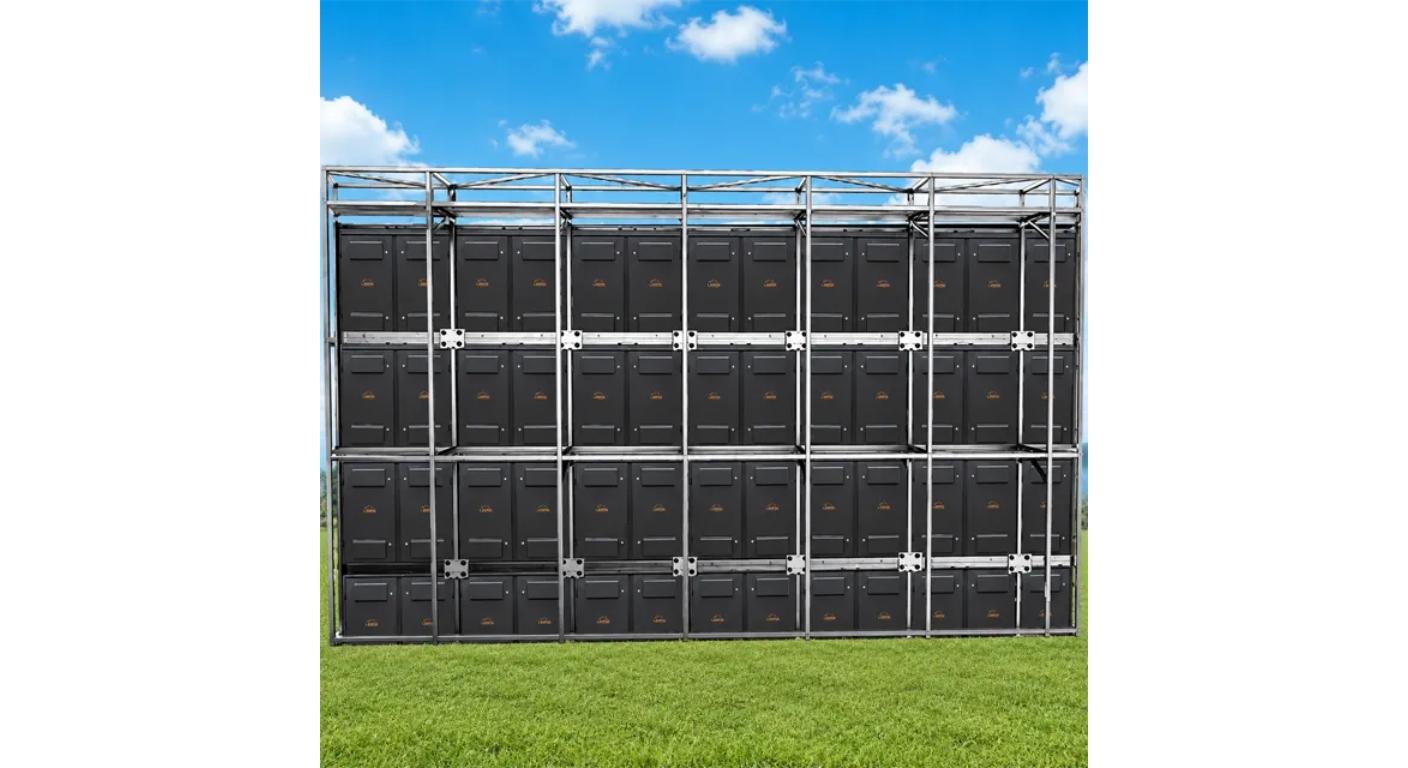
Although a steel cabinet outdoor LED screen can be a practical solution to use for permanent advertising, the material – cabinet – cannot determine the durability. A good comparison can be the way the enclosure is constructed, safeguarded, supported and maintained during the lifespan of the project.
Therefore, for signage contractors, the choice is not a simple one of “iron or aluminum.” but one that involves project purchasers and installation teams. Here are some guidelines for estimating the relative value of the two through MIC's outdoor products as examples, and without assuming that steel is stronger in service or that aluminum always is the answer to installation challenges.
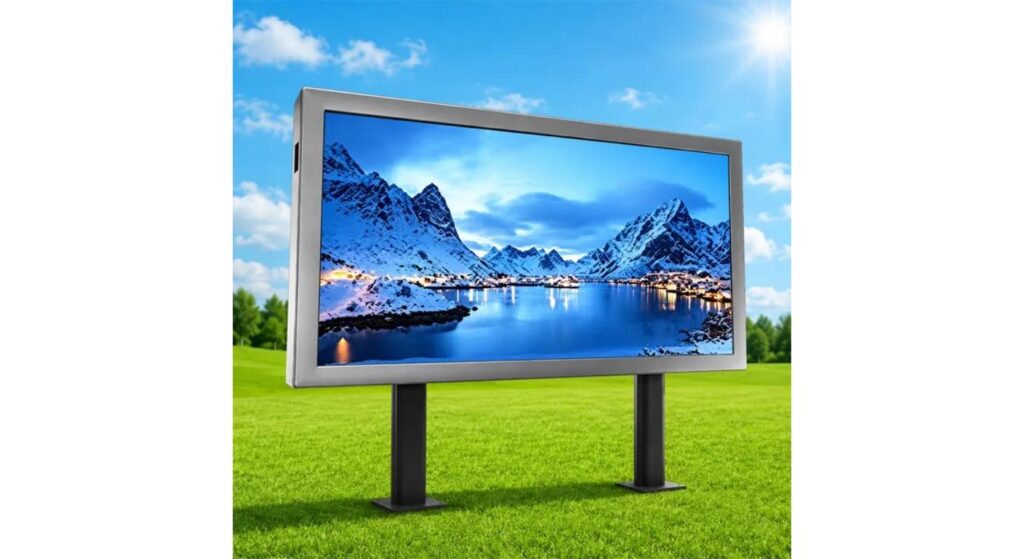
Know the definition of “Iron Cabinet”
Outdoor Advertising LED Display is a MIC product, which comes with Die-cast Aluminum / Iron options that are mentioned in the specification. When discussing a steel cabinet outdoor LED screen with buyers, it's important to explain the material grade and construction they are referring to. The term “iron” is not a designation of a coating, fabrication or a material specification.
Request a sketch of the cabinet body, reinforcement and mounting points and service openings. In fabricated steel designs sheet thickness, bends, joints and reinforcement has an impact on performance. Aluminum designs also rely on the alloy, geometry and quality of construction. Don't compare one material name to the other as a performance rating, rather compare cabinets that are fully designed.
Make comparisons between Strength Through Design / Fabrication
While it may be helpful to give a nice enclosure some stiffness (using steel), in a properly designed cabinet, a thicker or heavier cabinet is not necessarily a better cabinet. The way the frame is arranged, how unsupported spans are handled and how the connections are made affect how the assembly reacts to handling and installation loads.
Inspect quality of welds and appearance around the seams where welding is employed. Test to ensure that the cabinet to be installed is flat and fits properly with adjacent cabinets when in place. Addition of weight without consideration of the appropriate load path is likely to be of little practical benefit.
Ask for evidence that pertains to the actual design. Specific measure details and fabrication and trial assembly data are more indicative of heavy duty construction than a general statement of heavy duty. When installing a large display, assess the repeated cabinet connections and supporting structure of the entire installation.
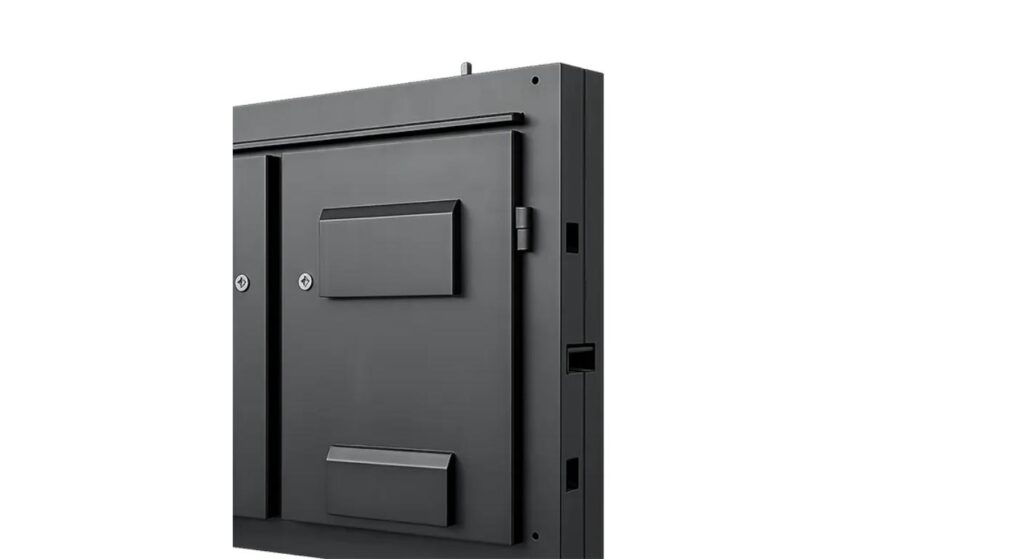
It is important to calculate the Finished Weight BEFORE choosing the structure.
Comparable designs will be much heavier if the cabinet is steel versus aluminum. But there are also other factors such as cabinet dimensions, panel thickness and reinforcement, modules and internal equipment that affect finished weight. Make comparisons between complete units/units that are fully displayed, not between an empty enclosure and an assembled cabinet.
Confirm the unit weight and multiply by the number of cabinets; then factor in brackets, cables, etc. that hang from the cabinets. No matter how small the disparity is on each cabinet, it adds up on a big screen. This difference may impact lifting systems, loads to building or freestanding frame and transport.
Also wind and connection forces should be considered for the structure based on site conditions. If the replacement display is the same size (perceived size), then an existing frame should not be presumed to be suitable. Get the responsible structural professional to examine the proposed assembly and how it is attached.
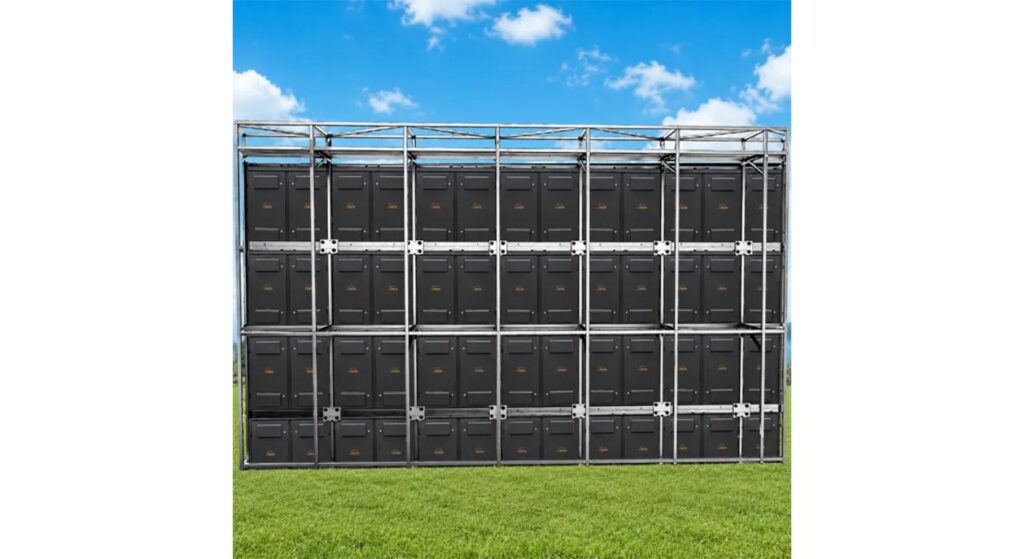
Indicate Corrosion Protection Without Galvanizing
It is important to provide the steel with an appropriate corrosion protection system when it is subject to an outdoor environment. Get MIC to let you know what the actual surface treatment of the quoted cabinet is. Please don't label it as galvanized unless it is driven in documentation.
Check for leaky areas around treatment edges, joints, mounting holes and fastener locations. These areas may be cause for consideration as they may be damaged during installation or may be areas where the underlying material may not be covered completely. Inquire about the repair of scratches and coating damage prior to putting the display into service.
However, like all metals, aluminum needs the right material and surface treatment for the environment; it is not corrosion free. Additional review may be required due to coastal exposure and/or industrial contamination and contact with dissimilar metals. A corrosion-test report should indicate the type of corrosion test performed and the acceptable criteria and be applicable to the finish provided.
Weather Sealing is NOT Material Durability.
There are different things that corrosion protection and ingress protection are looking at. A protected steel surface doesn't mean that rain doesn't get into the electronics compartment. Likewise, an ingress rating does not prove that an installation environment won't be detrimental to the ability of all exterior surfaces to stand up to it for a long time.
Protection of IP65 is mentioned on MIC's MC-S page. Ensure it is installed on the cabinet version and assembly that are installed, including access doors, seals and cable entries. Drainage, venting and connection information should be coordinated not left up to the installer to improvise.
Another reference is the IP66 (front and back) protected, aluminum modules MC-PRO Outdoor Fixed LED Display. Those features are part of that product configuration, and should not be brought over to the MC-S iron cabinet just because they are both outdoors displays.
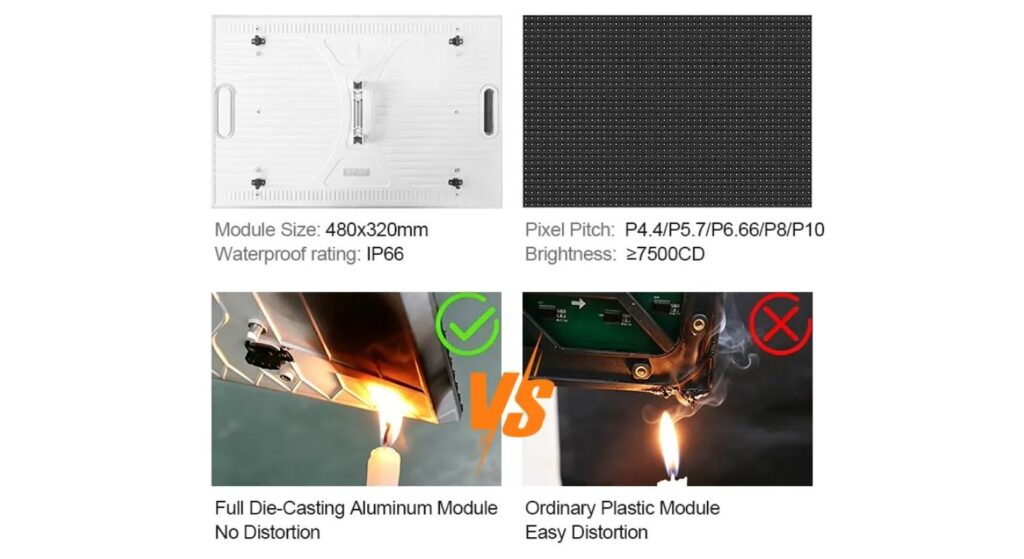
Maintenance Access should be a Selection Criterion.
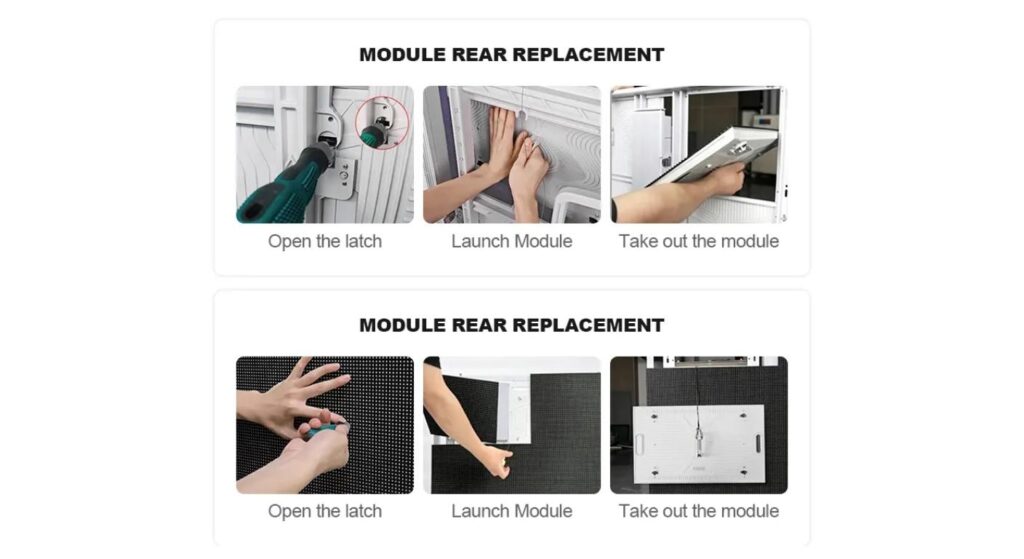
Before selecting the enclosure, determine the approach for accessing modules and power and receiving apparatus. A rear access door is only desirable if there is enough space to work when the installation is completed. Front service also needs a confirmation which components can be removed from the display face.
Maintenance for MC-PRO is described by MIC, for front and rear, so it's very useful in case access flexibility is important. When considering any steel cabinet proposal, ask for the service arrangement that the steel cabinet supplier provides with that cabinet design as not all service arrangements are provided for all designs.
Be aware of lifting/replacement processes and access. Any heavy part that can be removed in theory may need a special lifting machine. Establish parts and service procedures, and how to replace weather seals after servicing.
Establish inspection dates appropriate to the site and based on instructions from supplier. Add convenient coatings checks, seals, fasteners and drainage paths. Make notes of repairs and replacement parts for the benefit of future repair personnel. Routine inspection will not take the place of a proper original design, but can be used to determine if problems are arising before it becomes more difficult to fix or longer to display.
Compare Installed Cost and Approve a Representative Assembly to construct the new Centre for Addictions Research of BC.
Evaluate quotations based on screen size, screen size (in pixels) and desired performance. Add in the cost of transport, lifting, building up changes, building labor, and servicing. Handling costs or access issues can offset a lower price for purchasing a lower cabinet.
Verify an assembled section before giving approval to manufacture, particularly if dimensions and/or mounting configurations are unique. Inspect for flatness of cabinets, seams, hole location and access hardware per approved drawing. Inspect coatings post assembly for damage near fasteners or points of contact.
| Approval Item | Evidence to Request | What It Establishes |
| Material identification | Material specification | Actual cabinet material |
| Finished weight | Weight record and included components | Comparable installation load |
| Surface protection | Treatment specification and inspection record | Supplied finish and acceptance requirements |
| Mechanical assembly | Dimension report and trial assembly record | Fit, alignment and connections |
| Weather protection | Applicable ingress-test documentation | Tested configuration and protection scope |
| Maintenance | Service drawing and replacement procedure | Practical access and repair method |
Share site drawings, screen size, mounting and environmental characteristics with MIC via its project consultation page. Specify if steel is required, or if an aluminium alternative can be considered. In the final proposal ask for the actual material, finished weight, surface treatment specification and service layout.
Conclusion
When choosing an outdoor LED screen, a cabinet made of steel should be chosen, and a comparison of the complete designs should be done. Sufficiency is dependent on strength, finished weight, corrosion protection, capacity and access for maintenance. Knowing those factors and considering the options MIC has documented in cabinets, buyers can determine which outdoor enclosure is best for the project, without having to assume that iron or aluminum is always better.
FAQs
Q1. Is there any Iron Cabinet in MIC?
Die-cast aluminum and iron is listed in the MC-S specification. Match the material/setting that is listed with your quote.
Q2. Is a steel cabinet heavier as compared to an aluminum cabinet?
In general, similar steel designs have a greater weight. Compare real finished weights of similar cabinet sizes and configurations.
Q3. Do MIC's steel cabinets come galvanized?
Do not assume so. Request documentation that shows the surface treatment that is being provided with the selected cabinet.
Q4. Does an iron cabinet always work best for big screen?
No. It is not just about the material, but about design, support capacity, protection and maintenance of the environment.
Q5. What are some tips for checking before ordering?
Check drawings, material, weight, surface treatment etc. and mounting details. Add Service Method and Inspection records.


Contact Us
In This Article
Related Posts
How to Choose the Right Pixel Pitch Based on Viewing Distance
November 14, 2026
Corner Protection Rental LED Panel: Damage Prevention and Maintenance Guide
October 30, 2026
How to Choose a Shop Window Transparent LED Display for Retail Stores
October 29, 2026
Iron vs. Aluminum Outdoor LED Display Cabinets: How to Choose
October 28, 2026


