




How to Choose a Shop Window Transparent LED Display for Retail Stores
By hqt
Oct 29, 2026Related Posts
How to Choose the Right Pixel Pitch Based on Viewing Distance
November 14, 2026
Corner Protection Rental LED Panel: Damage Prevention and Maintenance Guide
October 30, 2026
How to Choose a Shop Window Transparent LED Display for Retail Stores
October 29, 2026
Iron vs. Aluminum Outdoor LED Display Cabinets: How to Choose
October 28, 2026
The role of a retail store window is two-fold: to entice passers-by to come into the store and to let passers-by know what the store has to offer.
Traditional posters and opaque digital screens can fill potentially valuable window space, block the view into the store and/or products. Another alternative is a shop window transparent LED display, which incorporates digital advertising with a translucent screen unit.
But transparency alone does not provide for a successful installation. Whether or not the display increases the storefront's readability or makes it more difficult to read depends on the brightness level, distance from which it is viewed, the orientation of the windows, and the design of the content.
For retailing, it is best if the solution can be used for advertising without compromising the added value of the window.
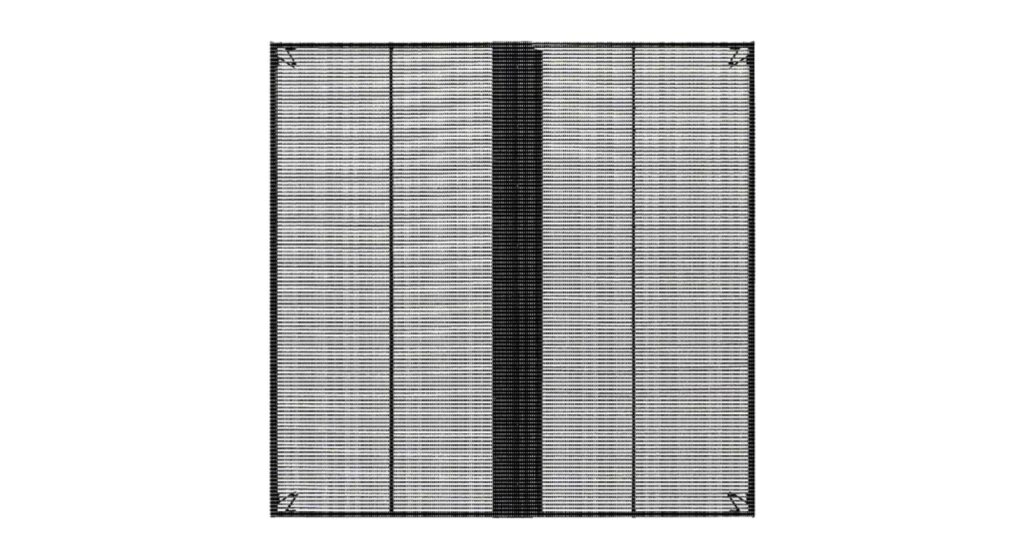
How Does Shop Window Transparent LED Display Works?
Transparent LED display utilizes LEDs that are set on very thin strips or an open supporting structure. The light can pass through the gaps between these parts and background objects can still be seen.
The display is illuminated by the pixels when it is in operation, and they produce images, animation and promote content. Customers will be able to look through the screen – at least in areas where the content is not illuminated – but the structure will still be partly visible.
The visual background is not completely obscured by a transparent display, as it is in an opaque LED wall.
MIC provides Clear LED screens for retail windows, glass facades, showrooms and business room interiors.
The advantages are that digital content can be presented and at the same time a visual link is kept between pedestrians and the products on the other side of the glass.
Strike a balance between transparency and visibility of adverts.
One of the critical purchasing decisions is the amount of transparency a shop window needs.
The more transparency there is the better the view through the window and the better the natural light is preserved. But when using LEDs, there is some space between each LED element that can decrease the amount of display surface available for detailed images.
The closer the proximity of the picture, the higher the resolution of the pixels, but what should also be taken into account is the structure of the screen, transparency.
Displaying mannequins and store fronts inside may be important for luxury boutiques and fashion shops, to name a few. Bright moving ads may be a greater part of promotional storefronts.
With configurations available up to about 75% transparency, the MIC's MC-T Indoor Transparent LED Display can provide the transparency you need.
Buyers must ask for actual product displays to check the product visibility and the visibility into the store.
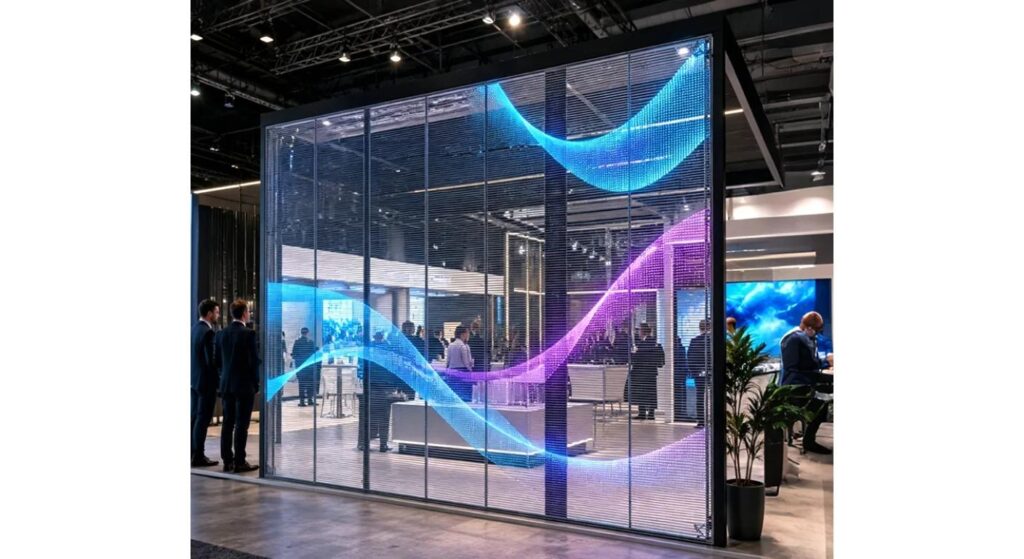
Take Sunlight, Reflections and Glass Orientation into account
A transparent LED display is installed on the back of the shop window, which is exposed to various lighting situations during the day.
When using direct sun, image contrast may be diminished and reflections on the glass could make text and graphics more difficult to see.
It's important what direction windows face, too. Depending on the location and season, the direct sunlight level at the storefront may be stronger during the hours when the sun is shining in the south.
Brightness should, therefore, be chosen based on actual environment conditions and not from the highest specification offered.
Retailers should test the screen from the sidewalk, both in the day and in the evening, too. The items behind the display as well as the lit inventory has to keep up satisfactory visual standards.
Brightness scheduling, when needed, can decrease the intensity of the light and excessive power use during the night.
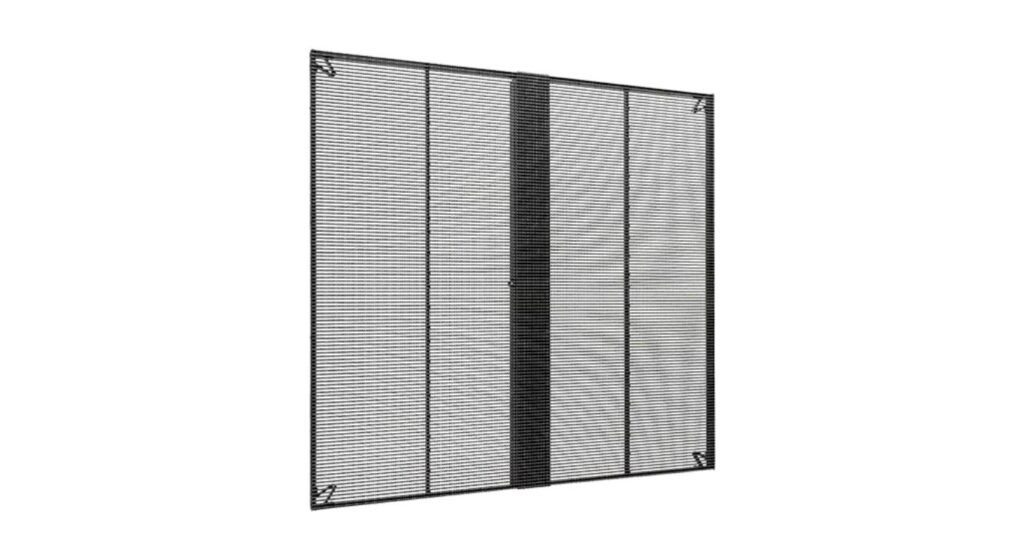
Express a digital content in correlation with window merchandise.
Transparency screen is optimal when digital content works well with the physical product that it supports.
For instance, a fashion store can put these animated graphics around mannequins, without filling their entire showroom with the entire line. For a cosmetics store, they could have the product images that float, and still have the display shelves visible.
Generally, large graphics, simple animation and short promotional messages are more effective than the dense text.
Dark areas or no lighting can enhance the store and show the inside of the shop while the bright full-screen animations might even take the attention away from the actual store items.
The positions of shelves, mannequins, lighting fixtures or other decorations should also be taken into account by content designers.
Transparent LED advertising works best when it's designed as an integral part of the screen and window presentation.
| Retail Store Type | Window Display Priority | Suggested Digital Content | Visual Consideration |
| Fashion Boutique | Keep mannequins visible | Animated collection graphics | Avoid covering clothing |
| Jewelry Store | Preserve luxury product focus | Subtle light animations | Limit excessive brightness |
| Cosmetics Store | Highlight product launches | Floating product visuals | Coordinate with shelf lighting |
| Electronics Store | Present product features | Short demonstration graphics | Maintain product visibility |
| Department Store | Promote seasonal campaigns | Large promotional visuals | Balance content and transparency |
Select the right Screen Size and Pixel Pitch
There are many different window sizes and heights, and varying amounts of window space are available for shop windows.
If you want to use a display to cover the entire glass area, it may give a more pronounced digital effect, but if you want more openness and space for conventional merchandising, then only fill part of the space.
Pixel Pitch should take into account the normal viewing distance of pedestrians. The finer the pitch the better, especially if the customer is coming up to the glass, and the wider the pitch the less important it is, if it is a large window seen from further away.
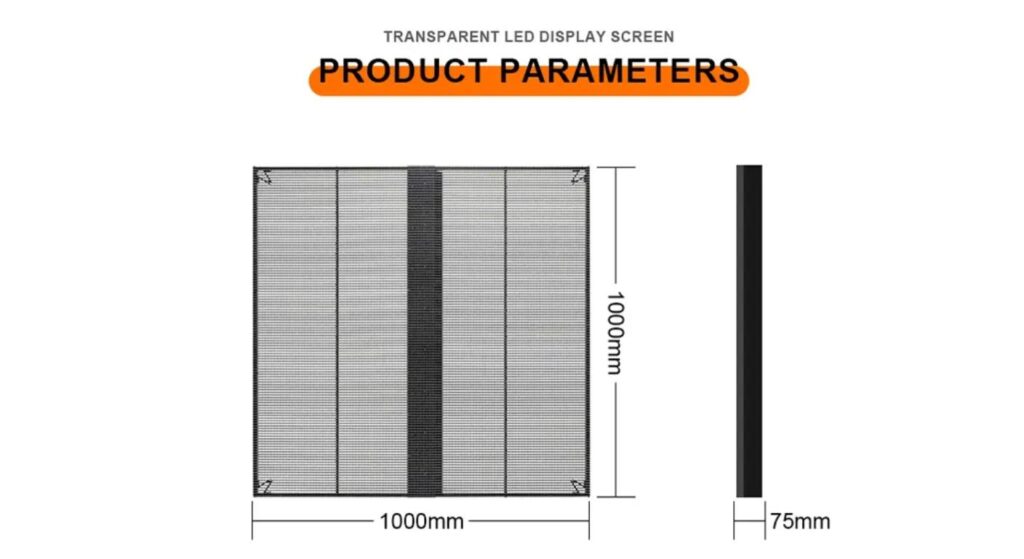
The available window geometry must also match the dimensions of the screen, the active display area of the screen as well as the way the module is going to be mounted.
There are customized screen size and configuration for the commercial LED display application supported by MIC.
At the time of ordering, verify actual screen size and/or panel boundaries in relation to store architecture.
The Screen Without Compromising the Storefront is installed.
Transparent LED displays can be hung behind glass, supported by structural frames or can be mounted on project specific hardware.
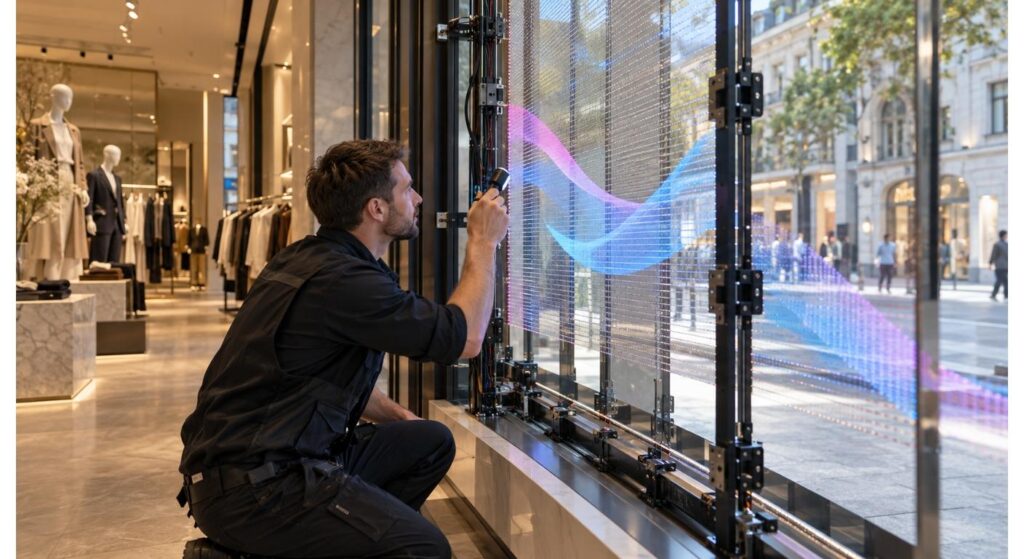
Glass construction, supporting surfaces, cable routing, ventilation and servicing access should be taken into consideration when choosing a method.
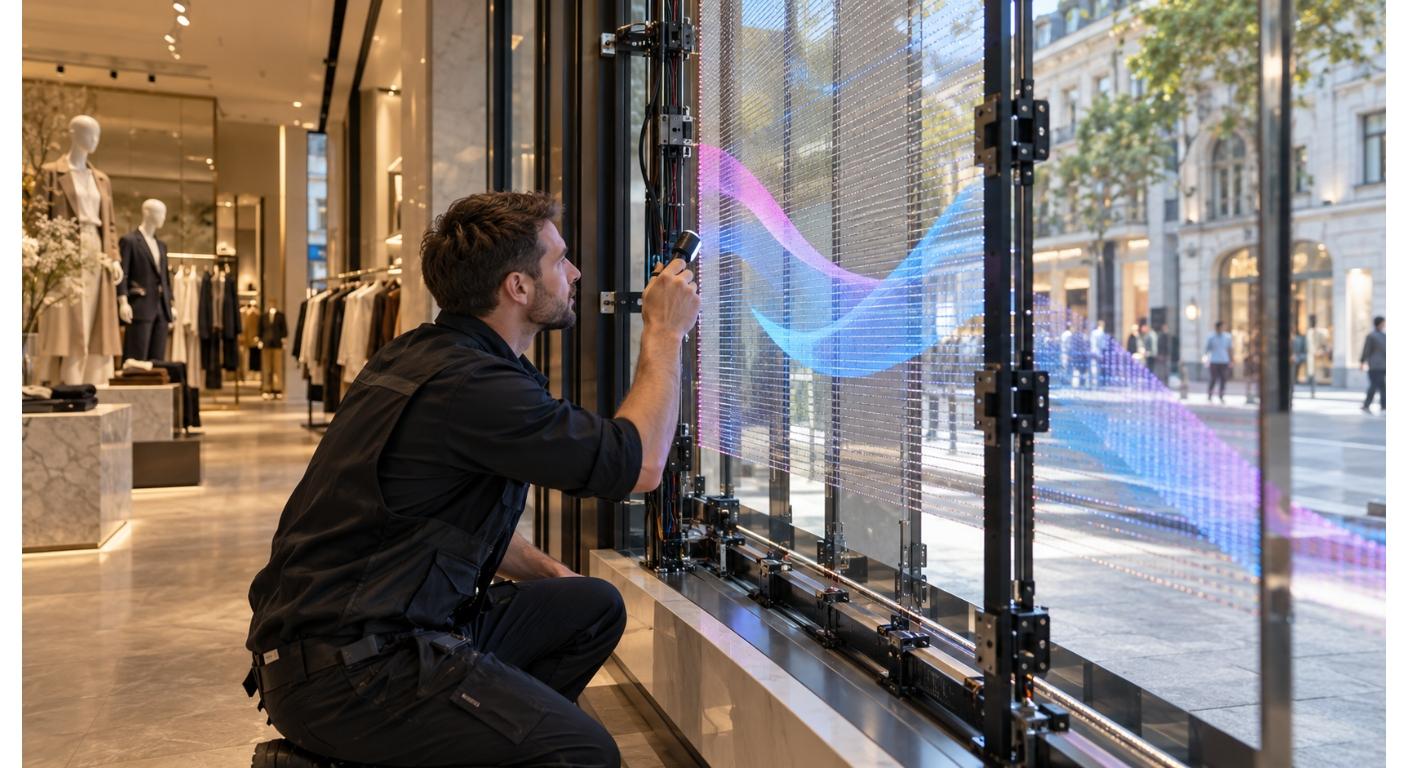
If installed within a shop window, technicians should be able to move around clear enough to remove or change electrical parts or modules.
Don't assume that the preexisting glass can support the weight of the screen. Structures and fixings need to be assessed by qualified installers.
Where the screen will be exposed to the outside weather, an outdoor rated product is needed. In addition to this, MIC also offers an MC-T Outdoor Transparent LED Display for outdoor use.
| Survey Item | Information to Record | Purpose |
| Window Dimensions | Width, height and frame positions | Determine usable display area |
| Glass Construction | Type, framing and support details | Plan suitable mounting |
| Sunlight Exposure | Window orientation and daylight conditions | Select brightness |
| Viewing Distance | Typical sidewalk viewing range | Determine pixel pitch |
| Power Access | Available electrical connections | Plan cable routing |
| Service Clearance | Available access around screen | Support future maintenance |
Review and assess Maintenance and Daily Retail Operation
For retail displays, a lot of time passes, such as weekends and/or promotional seasons.
The storefront may be impacted by a bad module, content interruption signal or over-brightness.
Buyers should ensure access to maintenance, availability of spare parts and compatibility of control system and procedure to be followed in the event of failure of individual parts.
It's also vital to manage content. Without specialist support, store teams can be required to make changes to the seasonal collections, discounts and campaign visuals.
When the chosen control system can do so, centralized scheduling can help retail chains consistently advertise at each store.
The objective is to have a screen that store staff can deal with without interfering with the day to day activities in the store.
When ordering a transparent window display, there are a few things to check.
Give them the dimensions of the storefront, pictures, direction of the windows, distance to be viewed from, and where the installation will take place.
Explain the target level of transparency, brightness, pixel pitch, screen coverage and mounting method.
If the store has more elaborate displays, add pictures from the inside of the store with shelves, mannequins and window lighting.
Request product drawings, actual transparency specifications, power requirements, maintenance instructions and relevant installation documentation.
MIC offers customized LED display solutions along with engineering support. Retail project buyers can contact the MIC through the contact page with their specifications and get additional configuration tips.
Conclusion
A shop window transparent LED display should be used to add more value for a storefront instead of simply being an advertising wall made of opaque glass.
Effective designs include a balance of transparency, visibility, natural light, merchandising, and maintenance needs.
Retail stores can enhance storefronts and still ensure the product and interior spaces that customers wish to view, by studying the window placement and the advertising material.
FAQs
Q1. Are customers able to view the other side of the transparent LED shop window display?
Yes. It's open LED which means some visibility through the screen. The degree of transparency varies by model, pixel structure and construction of display.
Q2. Are there any side effects of a transparent LED display that blocks natural light?
It has some light reduction effect, but will pass more light than an opaque LED screen. This varies according to the transparency of the panel.
Q3. Are transparent LED screens suitable for sunny shop windows?
Yes, if you have the correct brightness spec. and design for installation. The amount of direct sun and glass reflections should be investigated in the field.
Q4. Is there a clear LED screen in or out of the shop window?
Either configuration is OK. There are different requirements for environmental protection and mounting for indoor installations behind glass, as well as outdoor installations exposed to the elements.
Q5. Is it possible to make the screen size programmable?
Yes. Modular transparent LED systems are able to be set up to various storefront sizes. Final sizes are dependent on module size available and the requirement of the structure.


Contact Us
In This Article
Related Posts
How to Choose the Right Pixel Pitch Based on Viewing Distance
November 14, 2026
Corner Protection Rental LED Panel: Damage Prevention and Maintenance Guide
October 30, 2026
How to Choose a Shop Window Transparent LED Display for Retail Stores
October 29, 2026
Iron vs. Aluminum Outdoor LED Display Cabinets: How to Choose
October 28, 2026


