




Indoor LED Screen vs Outdoor LED Screen
By hqt
Nov 19, 2026Related Posts
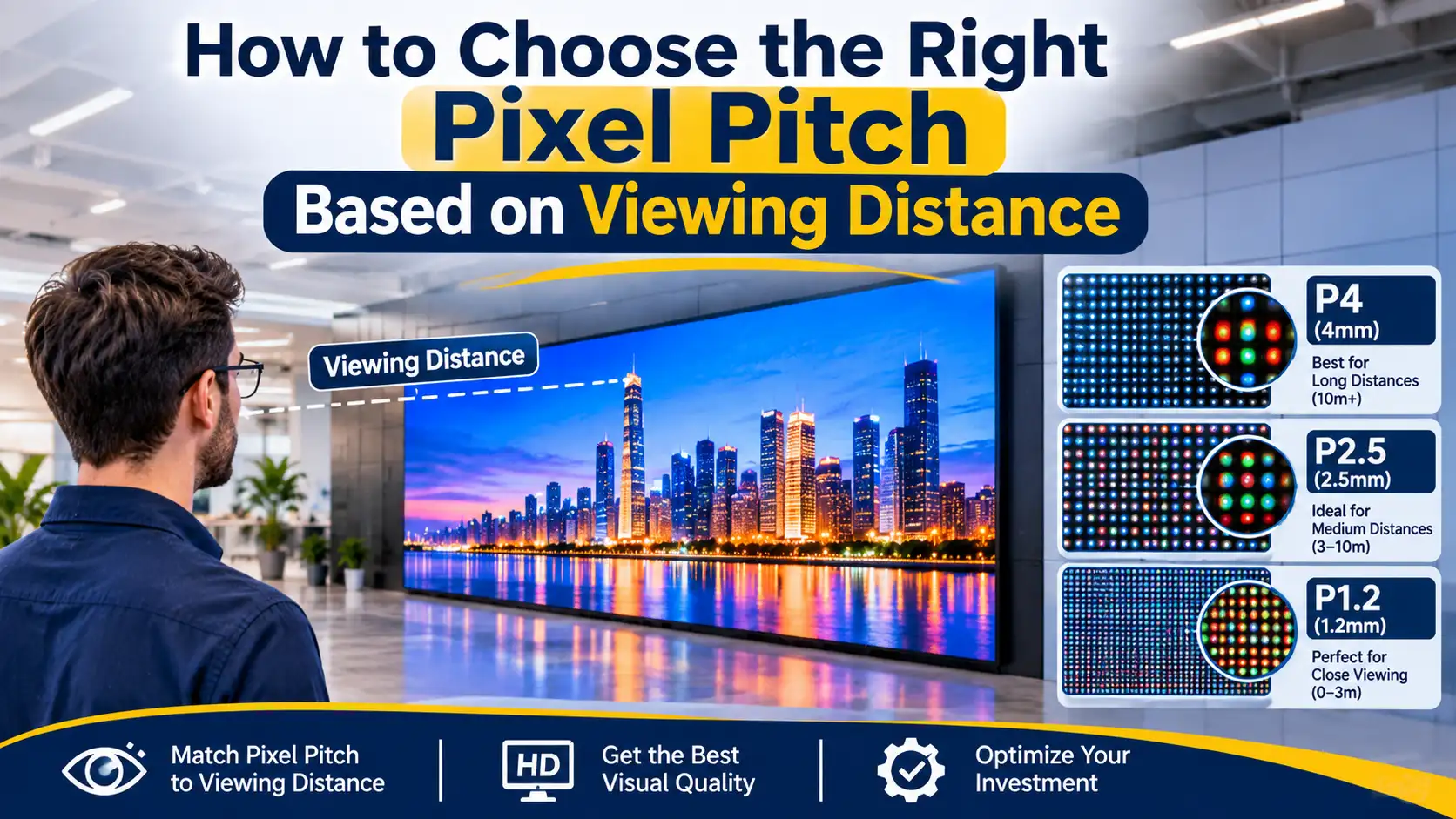
How to Choose the Right Pixel Pitch Based on Viewing Distance
November 14, 2026
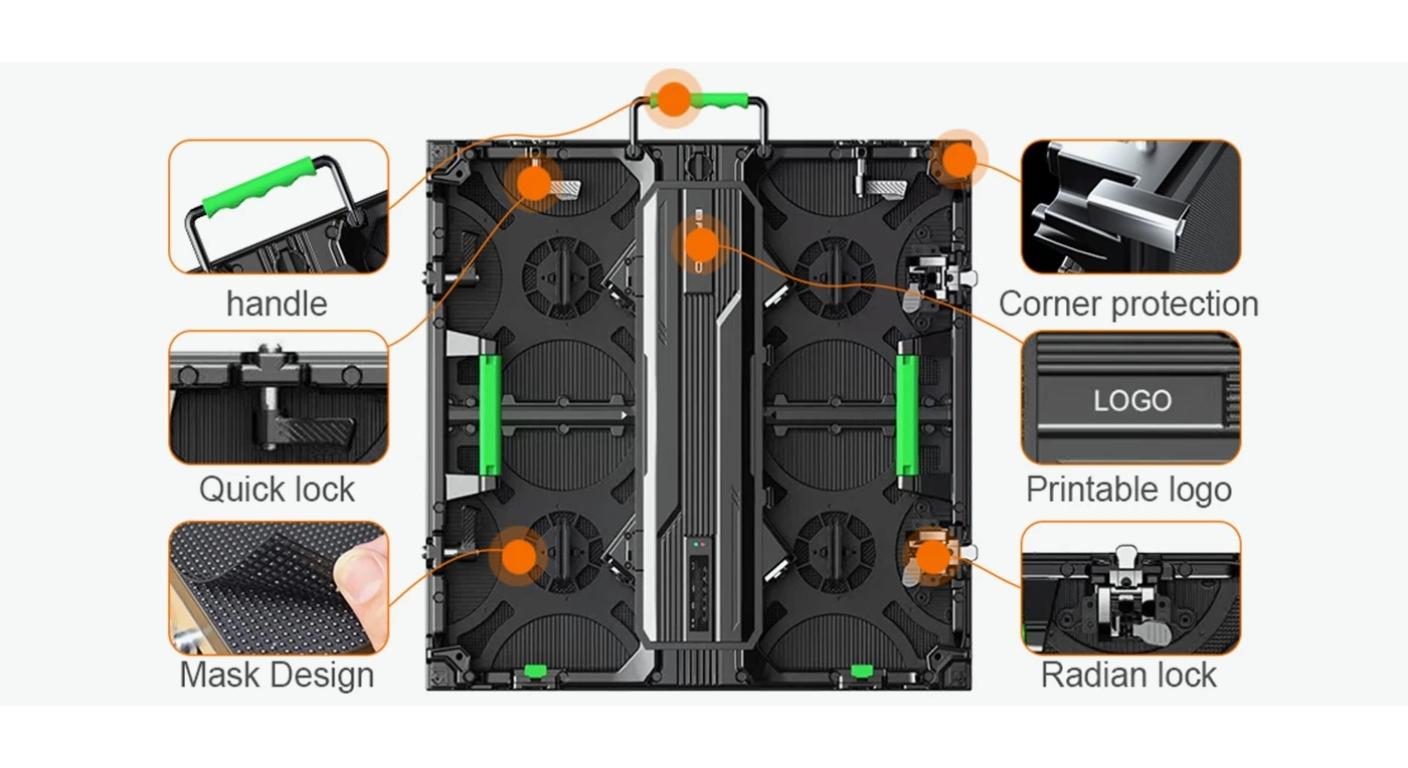
Corner Protection Rental LED Panel: Damage Prevention and Maintenance Guide
October 30, 2026
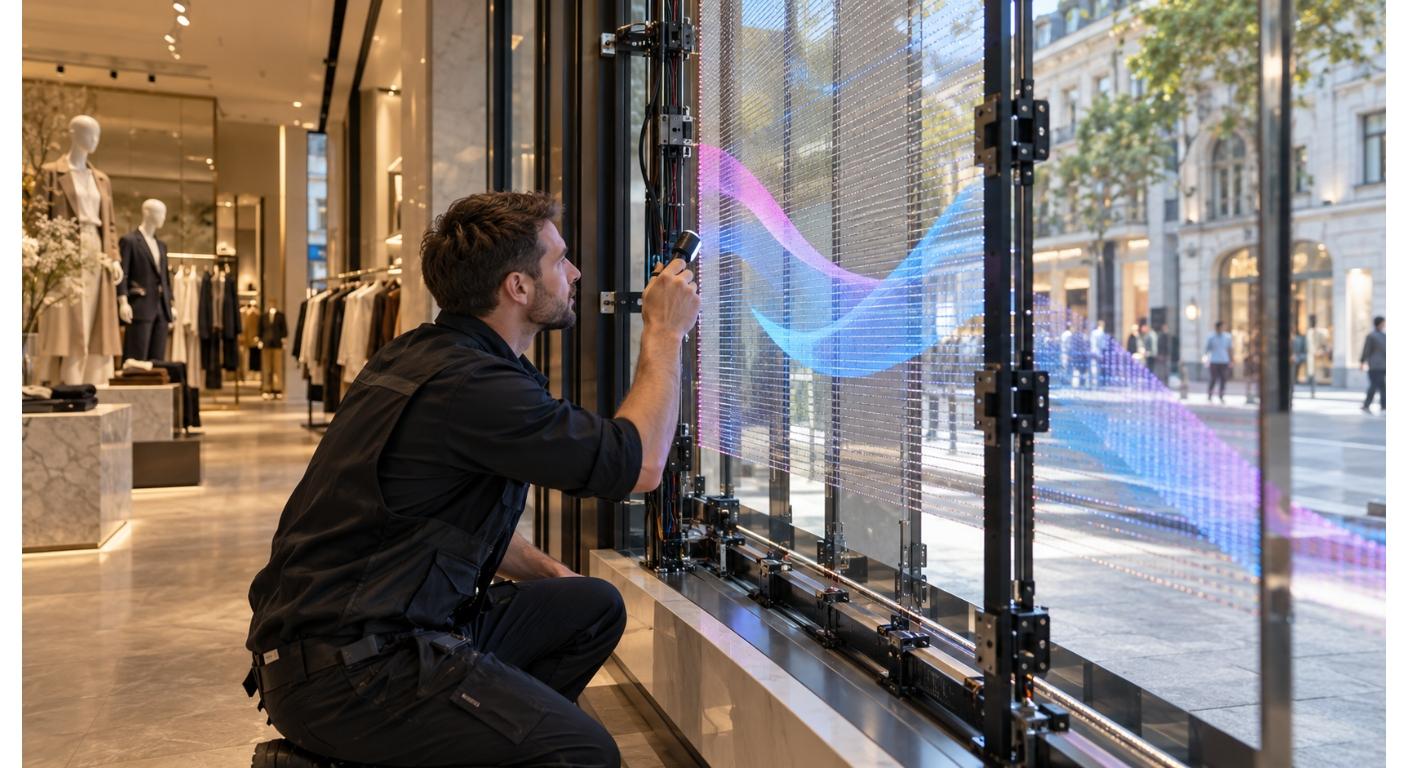
How to Choose a Shop Window Transparent LED Display for Retail Stores
October 29, 2026
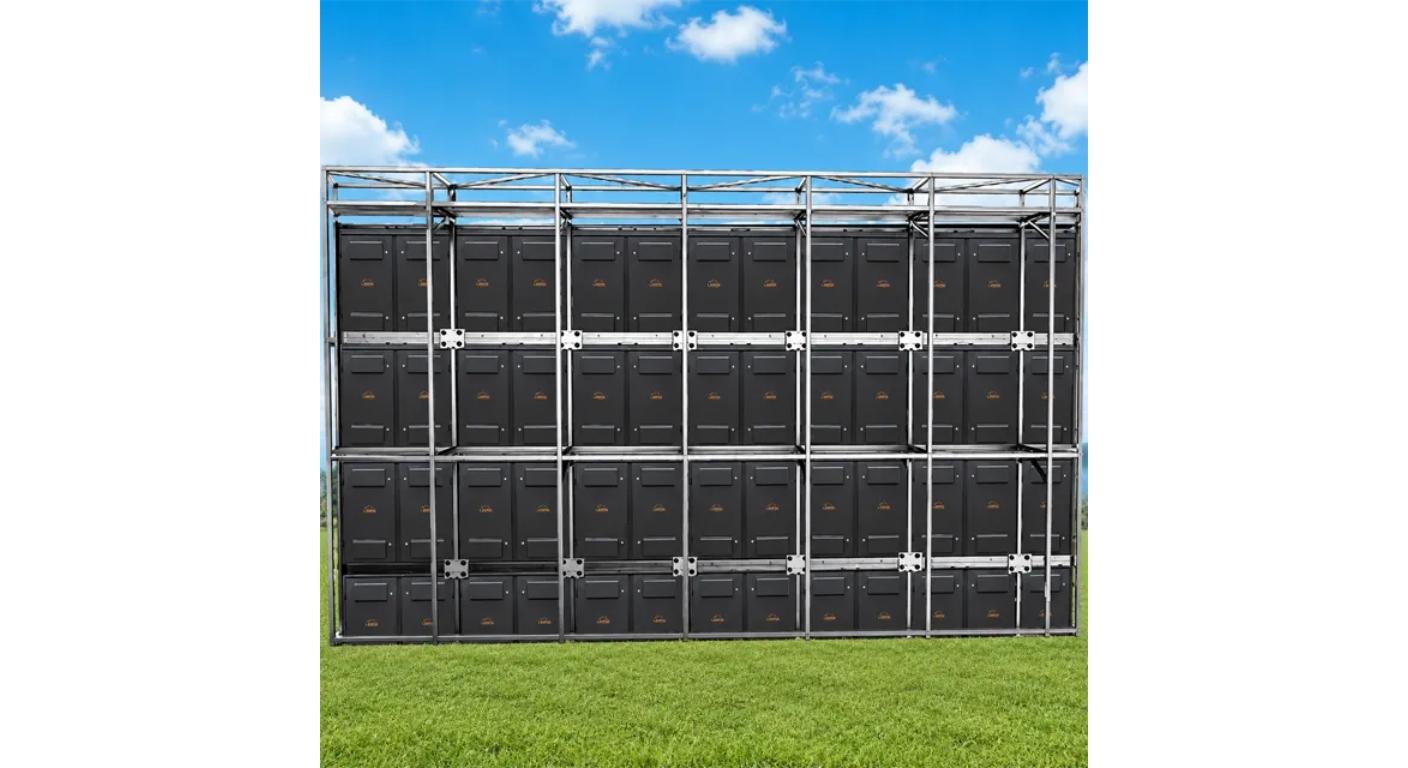
Iron vs. Aluminum Outdoor LED Display Cabinets: How to Choose
October 28, 2026
The main features of indoor LED screens are comfortable viewing and image detail in areas protected from the weather. Daylight, weather and temperature variations are also a challenge for outdoor LED screens. The decision between them begins by the installation environment and then by the viewing distance, content and the access for maintenance.
It seems easy—until a screen is placed behind a sunny window in a shop or under an open canopy. Finer research is required into these sites. A roof doesn't control humidity and an indoor space doesn't necessarily have low ambient light.
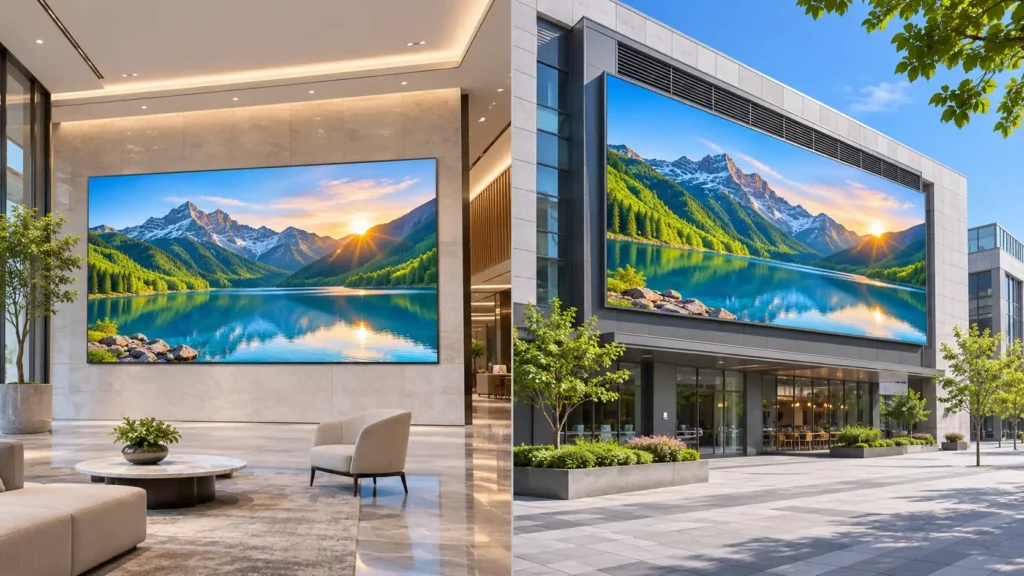
What Makes Indoor and Outdoor LED Screens Different?
Both use light-emitting pixels arranged into modules and cabinets. The differences lie in the complete system: brightness capability, environmental protection, thermal design, and installation provisions.
| Factor | Indoor LED screen | Outdoor LED screen |
|---|---|---|
| Lighting conditions | Usually controlled or partially controlled | Daylight and changing outdoor light |
| Brightness priority | Readability with viewing comfort | Daytime visibility and nighttime dimming |
| Environmental exposure | Sheltered operating conditions | Rain, dust, temperature changes, and sunlight |
| Viewing distance | Often relatively close | Varies from nearby pedestrians to distant audiences |
| Installation planning | Interior structure and service clearance | Structure, weather management, and site exposure |
| Maintenance | Access within the building | Access under outdoor working conditions |
Neither category guarantees better picture quality. A well-selected outdoor screen and an indoor presentation wall solve different problems.
Brightness: Match the Light, Not the Biggest Number
Outdoor screens generally need higher brightness capability because daylight reduces apparent image contrast. However, there is no single brightness setting that suits every outdoor location.
A shaded pedestrian display and a sun-facing building facade have different requirements. Screen orientation, seasonal sunlight, surface reflections, and surrounding buildings all matter.
Indoors, excessive brightness can make a display uncomfortable. Check dark-scene detail and grayscale at the brightness the room actually needs—not just at maximum output.
MIC’s MC-PRO indoor LED video wall provides one option to evaluate for presentation spaces, showrooms, and commercial interiors.
For outdoor projects, plan dimming as part of normal operation. A setting that works at midday may be distracting after sunset.
Weather Protection Means More Than a Sealed Front
An indoor screen should not be moved outside simply because rain is unlikely.
Outdoor suitability depends on the cabinet, modules, connectors, cable entries, mounting arrangement, and permitted operating conditions. Protection at the front does not automatically establish equivalent protection at the rear.
An IP rating also does not answer every environmental question. Temperature limits, condensation management, sunlight exposure, and corrosion resistance require separate consideration.
For exposed installations, MIC’s MC-PRO outdoor fixed LED display is a relevant product route. Its page lists front and rear IP66 protection; confirm the rating and installation conditions for the ordered configuration. MC-PRO High-Brightness Screen
Ask how water drains around the structure and how technicians will inspect seals and connections after installation.
Pixel Pitch Depends on the Audience
Finer pixel pitches are frequently used for indoor displays, as viewers are near the screen. Larger pitches can be employed for outdoor screens when viewed at a greater distance.
But this is not a technical rule, it is a pattern. The distance to view a screen might be much longer for an outdoor storefront display than for an indoor arena screen.
Pixel pitch is the distance between the center of one pixel and the next. The smaller the pitch, the more number of pixels in the same area.
For example, a nominal 4,800 mm-wide screen at P2.5 provides approximately 1,920 horizontal pixels. It offers about 960 at P5. Final sizes to be based on the actual arrangement of the modules.
| Application | Content requirement | Selection priority |
|---|---|---|
| Meeting room | Small text and diagrams | Native resolution and front-row comfort |
| Indoor retail wall | Product images and promotions | Reflections, color, and viewing distance |
| Outdoor storefront | Short messages viewed nearby | Daylight readability and sufficient detail |
| Building facade | Large graphics viewed farther away | Message recognition and brightness control |
| Transport information | Clearly readable directions | Text size, contrast, and sightlines |
Bring actual content to a demonstration. Attractive video does not prove that departure times or spreadsheet labels are readable.
Installation and Heat Management
Indoor screens still produce heat. Recessing a cabinet into a wall without suitable ventilation can create problems even in an air-conditioned building.
Outdoor systems must additionally account for solar heating and wider environmental changes. Cooling requirements depend on the equipment and site; do not assume every outdoor screen needs air conditioning or that passive cooling always suffices.
Both installations need an appropriate supporting structure, electrical distribution, signal routing, and service access.
For permanent interior projects, MIC’s MC-S indoor fixed LED display offers another configuration to assess against available space and maintenance requirements.
Outdoor structural planning must also consider wind exposure and the complete installed assembly.
Compare Operating Costs Fairly
Outdoor projects can require additional weather protection, structural work, and maintenance access. Indoor projects can become expensive when very fine pitch or architectural integration is required.
There is no dependable rule that one category always costs less.
| Cost item | What buyers should request |
|---|---|
| Display hardware | Confirmed area, pitch, brightness, and configuration |
| Installation | Structure, cabling, access equipment, and commissioning |
| Electricity | Typical consumption under stated operating conditions |
| Thermal management | Ventilation or cooling requirements |
| Maintenance | Spare parts, cleaning, access, and repair labor |
Compare typical power consumption using similar content and operating settings. Maximum ratings help electrical planning, but they do not predict everyday electricity use.
Choosing the Right Screen for Your Location
First of all, record the location of the screen. When adding photos, sunlight direction, moisture exposure, temperature, viewing distances, and daily operating hours.
Then describe what the viewers need to read or recognise. These details enable the supplier to suggest a configuration, instead of merely providing an ‘indoor' or ‘outdoor' 'label'.
Frequently Asked Questions
Can an indoor LED screen be used outdoors temporarily?
Do not assume so. Even brief exposure can exceed its environmental limits. Obtain explicit manufacturer approval for the intended conditions.
Can an outdoor LED screen work indoors?
Potentially, but check dimming performance, pixel pitch, noise, dimensions, and viewing comfort before choosing it.
Is a covered entrance considered indoors?
Not necessarily. Wind-driven rain, humidity, dust, and temperature changes can still reach equipment beneath a canopy.
Does a shop-window screen need outdoor protection?
Assess the actual exposure. A sheltered display may mainly need higher brightness and thermal planning; condensation or weather exposure changes the requirements.
Are outdoor screens always lower resolution?
No. Native resolution depends on physical dimensions and pixel pitch, not the indoor or outdoor category.
Does higher brightness mean better image quality?
No. Appropriate brightness, contrast, calibration, reflections, and readable content all contribute to the result.
Which type lasts longer?
Neither label guarantees longer service life. Component quality, temperature, operating settings, exposure, and maintenance all matter.
What should I send for an accurate quotation?
Provide dimensions, location photographs, viewing distances, content examples, environmental conditions, installation method, and operating schedule.
Share on Social:


Contact Us
Related Posts
How to Choose the Right Pixel Pitch Based on Viewing Distance
November 14, 2026
Corner Protection Rental LED Panel: Damage Prevention and Maintenance Guide
October 30, 2026
How to Choose a Shop Window Transparent LED Display for Retail Stores
October 29, 2026
Iron vs. Aluminum Outdoor LED Display Cabinets: How to Choose
October 28, 2026


