




LED Display Certifications Explained: CE, FCC, UL and RoHS
By miashuvo2077
Sep 24, 2026Related Posts
LED Window Display- The Complete Guide for Retail, Advertising, and Commercial Spaces
October 26, 2026
Mini LED Display- What It Is, How It Works, and Where It Fits
October 26, 2026

Naked Eye 3D LED Display - How It Works, Key Specs, Cost and How to Plan One (2026 Guide)
October 16, 2026
Transparent LED Displays for Storefronts
October 14, 2026
LED display certifications are not one universal approval: CE addresses conformity for the EU/EEA market, FCC covers US equipment authorization and electromagnetic requirements, UL and ETL indicate safety certification through recognized labs, and RoHS restricts hazardous substances. Each mark answers a different question, and buyers must check documents against the exact display model.
Key takeaways
- CE, FCC, UL/ETL and RoHS are separate compliance topics, not one interchangeable global approval.
- The FCC states that RF devices must be properly authorized under 47 CFR Part 2 before being marketed or imported into the United States.
- UL and ETL are safety marks associated with OSHA-recognized NRTLs, but they are not automatically required for every US installation.
- RoHS is a restricted-substances framework, not an electrical safety or EMC certification.
- Check documents for the exact model, configuration and complete-product scope, because component certificates may not cover the assembled display.
What LED display certifications actually prove — and what they do not
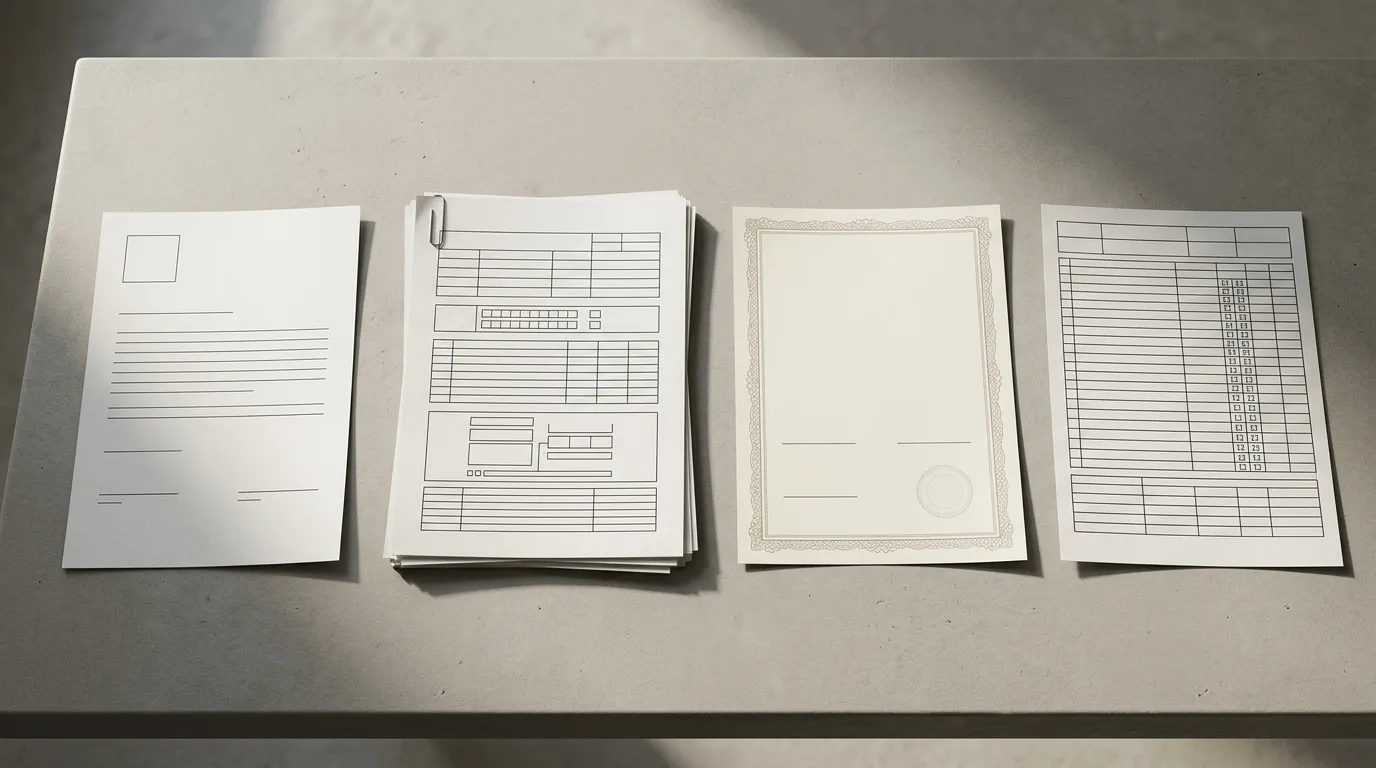
LED display certifications are separate compliance topics, not interchangeable approvals. Each mark answers a different question about market conformity, electromagnetic behaviour, electrical safety or restricted substances.
According to Wintouch's digital signage certification guide, a single mark is not a global passport, and the guide distinguishes CE, FCC, RoHS and UL/ETL by scope and market. DOIT VISION's LED display certifications guide describes CE as involving applicable European requirements such as electrical safety, electromagnetic compatibility (EMC) and RoHS, and advises buyers to request supporting test reports rather than relying on a mark or certificate alone.
A useful decision rule: before treating any document as proof, ask which question it answers — market conformity, electromagnetic compatibility, electrical safety, or restricted substances. A document that answers one question does not answer the others.
CE marking for LED displays: what it covers and where it applies
CE marking relates to applicable EU/EEA market requirements for products in scope, and can involve electrical safety, EMC and RoHS. It is not evidence that the display meets US, UK, Canadian or other market rules.
DOIT VISION's LED display certifications guide describes CE as involving applicable European requirements such as electrical safety, EMC and RoHS, and recommends that buyers inspect the supporting test reports behind the mark. Wintouch's digital signage certification guide goes further and recommends checking a CE Declaration of Conformity against the exact model rather than accepting a logo.
Decision rule: do not treat a CE logo as sufficient on its own. Ask for the Declaration of Conformity or test report that names the display model and the applicable requirements, and confirm the document covers the configuration you are buying.
FCC compliance for LED displays: what it covers in the United States
FCC compliance concerns equipment authorization and electromagnetic requirements for devices marketed in the United States. The FCC states on its Equipment Authorization page that RF devices must be properly authorized under 47 CFR Part 2 before being marketed or imported into the United States.
Wintouch's digital signage certification guide recommends checking FCC documentation against the specific model rather than a generic product family. This matters for LED displays because a screen assembly contains control electronics, power supplies and receiving cards, and the authorization evidence must correspond to the equipment being supplied.
Decision rule: avoid calling every FCC document a "certification." Identify the actual equipment authorization pathway, the applicable rule part, the responsible party and the model identifiers before treating the document as complete.
UL and ETL marks: what they mean for LED display safety
UL and ETL are safety marks associated with OSHA-recognized Nationally Recognized Testing Laboratories (NRTLs), indicating certification to an applicable product standard. They are not equivalents of CE or FCC, because they address electrical safety rather than EU market conformity or US radio-frequency authorization.
CHAINZONE's LED display certifications and standards guide describes UL and ETL as marks associated with safety certification through OSHA-recognized NRTLs, subject to the applicable product standard and installation requirements. Wintouch's guide likewise separates UL/ETL from CE, FCC and RoHS by scope and market.
Does every US LED display installation require UL or ETL?
No blanket rule makes UL or ETL mandatory for every US installation. Requirements can come from local codes, the authority having jurisdiction, insurers, customers, lease terms or the project specification, and they may differ between a fixed outdoor advertising screen and a temporary rental wall.
Decision rule: check the destination market, the installation authority, the project specification and the insurer before assuming that a safety listing is either required or unnecessary. If the specification calls for a listing, the certificate must name the exact display model and the applicable standard.
RoHS for LED displays: restricted substances, not electrical safety
RoHS is a restricted-substances framework for electrical and electronic equipment. It limits the use of certain hazardous substances in products in scope, and it does not replace electrical safety testing, EMC testing or FCC, UL or ETL compliance.
DOIT VISION's guide lists RoHS among applicable European requirements connected with CE for products in scope, while Wintouch's guide separates RoHS from CE, FCC and UL/ETL by scope and market. That separation is the point: a RoHS declaration tells you about materials, not about whether a display is electrically safe or electromagnetically compliant.
Decision rule: treat RoHS as material-compliance evidence and ask for a current declaration or test report tied to the display model and configuration.
Are CE, FCC, UL and RoHS interchangeable?
No. CE, FCC, UL/ETL and RoHS cover different risks and different market frameworks, so one document cannot substitute for another. CE does not replace a UL or ETL listing where a project requires an NRTL listing, and RoHS does not prove electrical safety.
Wintouch's digital signage certification guide states that a single mark is not a global passport and distinguishes the marks by scope and market. CHAINZONE's LED display certifications and standards guide presents CE, EMC, UL/ETL, FCC and RoHS as distinct compliance topics and advises matching documentation to the market and project requirements.
| Mark or framework | What it addresses | Typical market context | Evidence to request | Key caveat |
|---|---|---|---|---|
| CE marking | Applicable EU/EEA requirements for products in scope, which can include electrical safety, EMC and RoHS (DOIT VISION) | European Union / EEA | Declaration of Conformity or test report naming the exact model (Wintouch) | A CE mark alone does not prove US, UK, Canadian or other market compliance |
| FCC equipment authorization | Equipment authorization and electromagnetic requirements for RF devices | United States | Authorization document or Supplier's Declaration of Conformity naming the model, rule part and responsible party | Not every FCC document is a certificate; pathways differ by device |
| UL | Safety certification through an OSHA-recognized NRTL to an applicable product standard (CHAINZONE) | North America | Listing record or certificate naming the model and standard | Not an EU conformity mark and not a replacement for CE |
| ETL | Safety certification through an OSHA-recognized NRTL to an applicable product standard (CHAINZONE) | North America | Listing record or certificate naming the model and standard | Not automatically required for every installation |
| RoHS | Restrictions on hazardous substances in electrical and electronic equipment | European Union / EEA | Current declaration or test report tied to the model and configuration | Not electrical safety certification and not a replacement for FCC, UL or ETL evidence |
Which certifications apply in the EU/EEA and the United States?
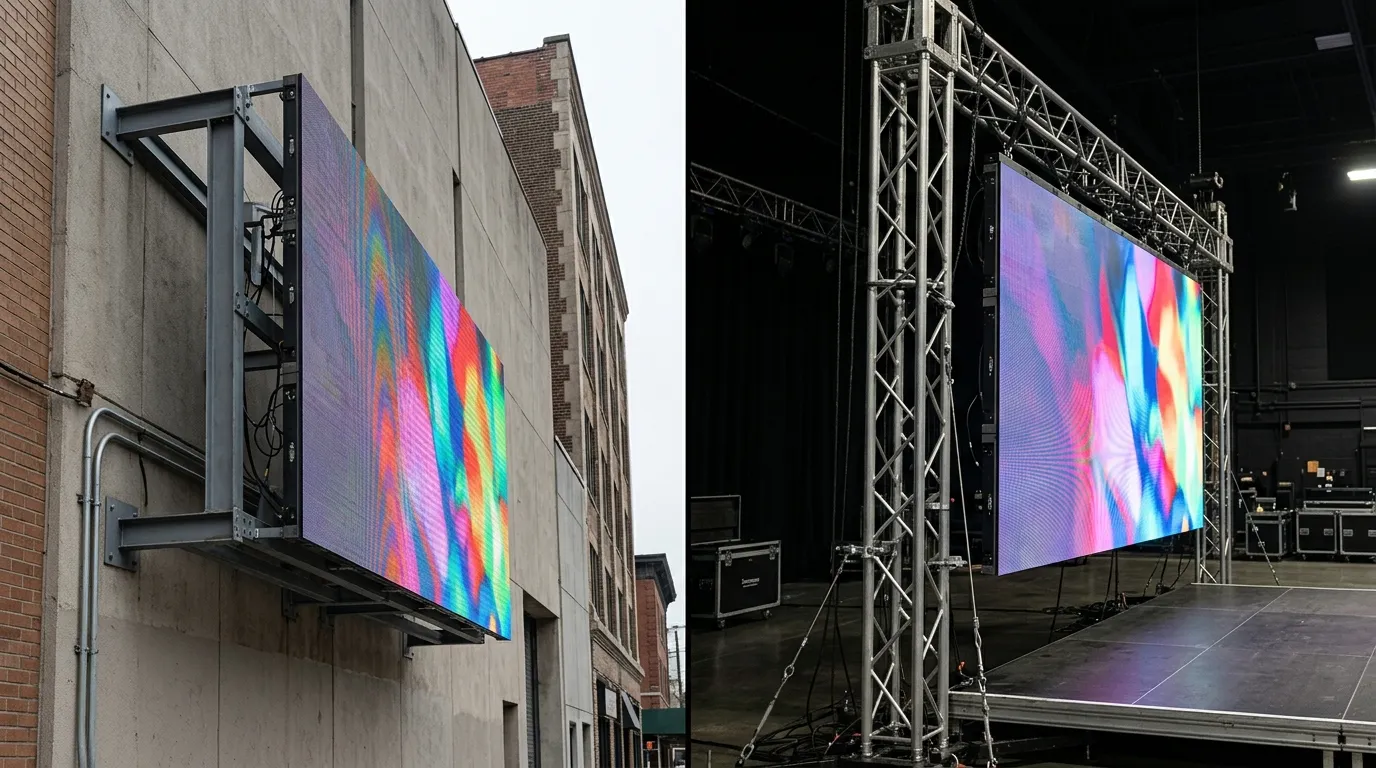
Which documents apply depends on the destination market, the product classification, the configuration and the project's own requirements. For the EU/EEA, CE marking and RoHS obligations can apply to products in scope. For the United States, FCC authorization applies to RF devices, while UL or ETL may be required by project parties rather than by one universal rule.
The FCC states that RF devices must be properly authorized under 47 CFR Part 2 before US marketing or import, which is a legal requirement for the equipment in scope. DOIT VISION's guide describes CE as involving applicable European requirements such as electrical safety, EMC and RoHS. Wintouch's guide distinguishes the marks by market and scope, which is a reminder that no single document set covers every destination.
Decision rule: map the destination market, product classification, configuration, installation authority and project specification before deciding which documents are needed. Where a requirement is unclear, confirm it in writing with the buyer or authority rather than relying on a supplier's general statement.
How to check an LED display certificate by model
Checking a certificate means matching the document to the exact display you are buying, not to a product family or a brochure. Verify the document type, model, revision, configuration, complete-product scope, applicable standard or rule, issuer and status.
Wintouch's digital signage certification guide recommends checking a CE Declaration of Conformity for the exact model and checking FCC documentation against the model. MIC Display's led display manufacturer checklist makes the same point from the buying side: certifications should be checked against the exact product and destination market, and buyers should ask for the actual certificate that matches the purchased model.
Step-by-step document check
- Request the full compliance document set for the exact product, not a summary or a screenshot of a logo.
- Match the model number, revision and configuration to the quotation or order, so the document names the LED display product you actually ordered rather than a similar item from the same range.
- Identify whether the document is a declaration, a certificate, a test report or a listing record — these are different types of evidence.
- Confirm whether the document covers the complete display or only a component.
- Check the applicable standard, rule part or directive named in the document.
- Confirm the issuer, the responsible party and any certification or listing number.
- Verify current status with the issuing body where that is possible.
- Keep the model-matched documents in the project file, together with the destination-market requirements they are meant to satisfy.
[DIAGRAM: Annotated sample compliance document highlighting model number, revision, standard or rule part, scope, issuer, date and status fields]
Do power supply or component certificates prove the complete display is compliant?
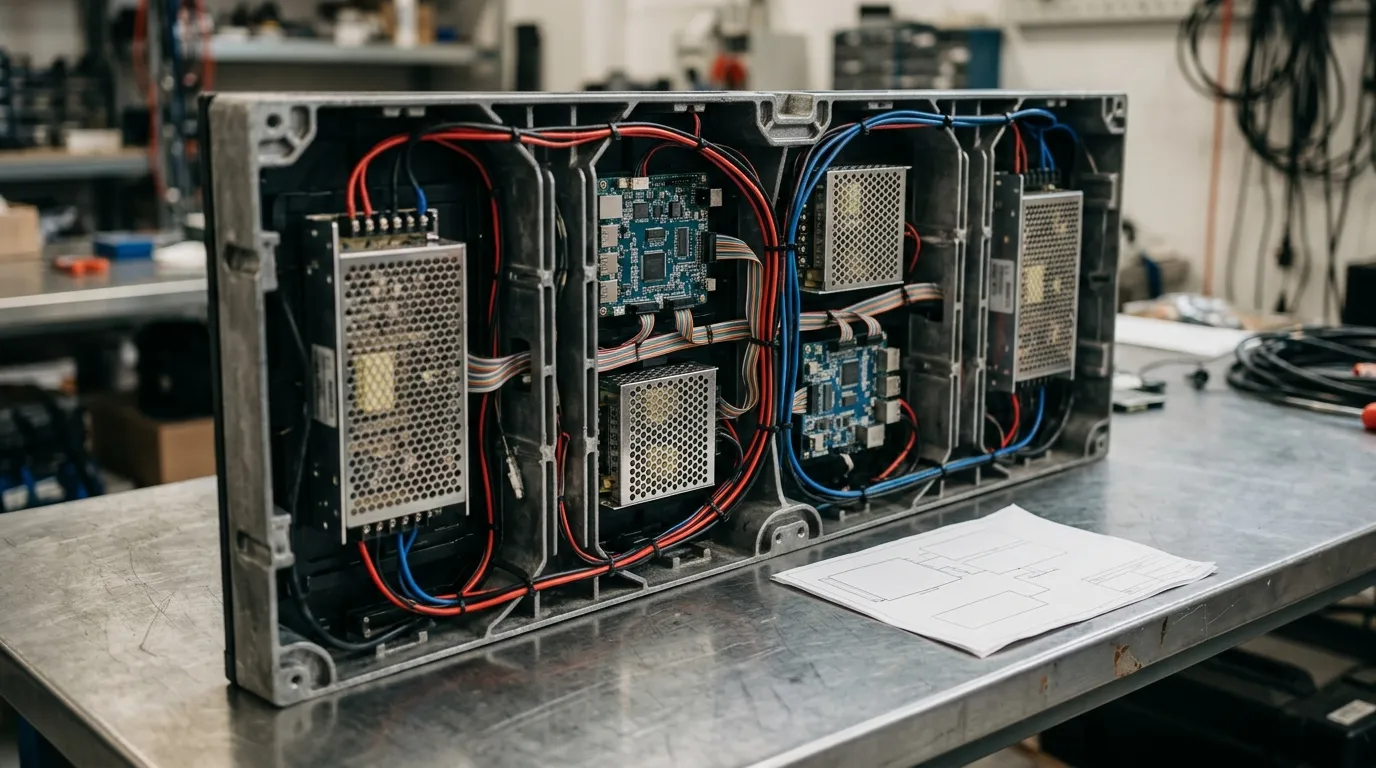
Usually not automatically. A certificate or report for a power supply, control card or module covers that component, not the assembled display. Component evidence is supporting evidence and may not substitute for complete-product assessment.
Decision rule: ask the supplier to explain how component evidence supports the complete display, and whether any additional whole-product testing or listing applies to the configuration being delivered. If the answer is vague, request the clarification in writing before the order is confirmed.
Red flags when reviewing documents
- A logo or mark with no model number attached
- A document that names a different model or a discontinued revision
- An expired or withdrawn listing
- A component certificate presented as whole-display approval
- No standard, rule part or directive identified
- No named responsible party or issuing body
[PHOTO: Close-up of a compliance certificate with the model number and standard fields visible]
Other marks buyers may see: ETL, CCC, BIS and ISO 9001
Other marks may appear on supplier documents, but they are not all product-compliance certifications. ISO 9001 is a quality-management-system certification, while CCC and BIS are country-specific regulatory or conformity schemes, so they sit in different categories from CE, FCC, UL, ETL and RoHS.
HLL LED Screens' explainer on LED display marks names CE, RoHS, UL, CCC, BIS, ISO 9001 and FCC among the marks discussed in the industry. The practical lesson is classification: establish whether a document is product conformity, a safety listing, a country-specific approval or a management-system certification before treating it as evidence about the display.
If you are unsure how a document maps to your project, MIC Display's after-sales support can help you read the paperwork you have been given, and you can request model-matched documents through contact us. MIC Display has manufactured LED displays in China since 2011 and exports to more than 100 countries, so project documentation requests come up regularly across destinations. Note that this article does not confirm which MIC Display models hold CE, FCC, RoHS, ETL or UL — ask for the certificate that matches the model and market you are specifying.
Frequently asked questions about LED display certifications
More general supplier and ordering questions are collected in MIC Display's FAQs.
What is the difference between CE and UL?
CE marking relates to applicable EU/EEA requirements for products in scope, including electrical safety, EMC and RoHS according to DOIT VISION's guide. UL is a North American safety certification associated with OSHA-recognized laboratories. They address different frameworks, so CE does not replace a UL listing when a project specification requires one.
Is CE certification as good as UL?
They are not competing grades of the same thing. CE addresses EU/EEA market conformity for applicable requirements, while UL addresses safety certification to a relevant product standard. Whether either is acceptable depends on the destination market and the project specification, not on a general ranking between them.
Does every LED display need UL or ETL?
No. There is no single rule requiring UL or ETL on every US LED display installation. Requirements can come from local codes, the authority having jurisdiction, insurers, customers or lease terms. Check the project specification and the authority before assuming a safety listing is always required.
Is RoHS a safety certification?
No. RoHS restricts certain hazardous substances in electrical and electronic equipment. It does not test electrical safety or electromagnetic compatibility, so a RoHS declaration alone cannot show that a display is safe or that it meets FCC or UL requirements. Treat it as material-compliance evidence.
Do component certificates cover the whole LED display?
Usually not automatically. A certificate or test report for a power supply, control card or module covers that component rather than the complete assembled display. Ask for evidence that names the exact display model and configuration, and treat component documents as supporting evidence that may not stand alone.
How do I verify an FCC document for an LED display?
Ask for the authorization document or Supplier's Declaration of Conformity that names the exact model. Check the equipment authorization pathway, the applicable rule part, the responsible party and the model identifiers. If the document covers a different model or only a component, request corrected evidence before ordering.
Share on Social:


Contact Us
In This Article
Related Posts
LED Window Display- The Complete Guide for Retail, Advertising, and Commercial Spaces
October 26, 2026
Mini LED Display- What It Is, How It Works, and Where It Fits
October 26, 2026
Naked Eye 3D LED Display - How It Works, Key Specs, Cost and How to Plan One (2026 Guide)
October 16, 2026
Transparent LED Displays for Storefronts
October 14, 2026


