




Where to Buy Commercial LED Display Screens?
By miashuvo2077
Sep 19, 2026Related Posts
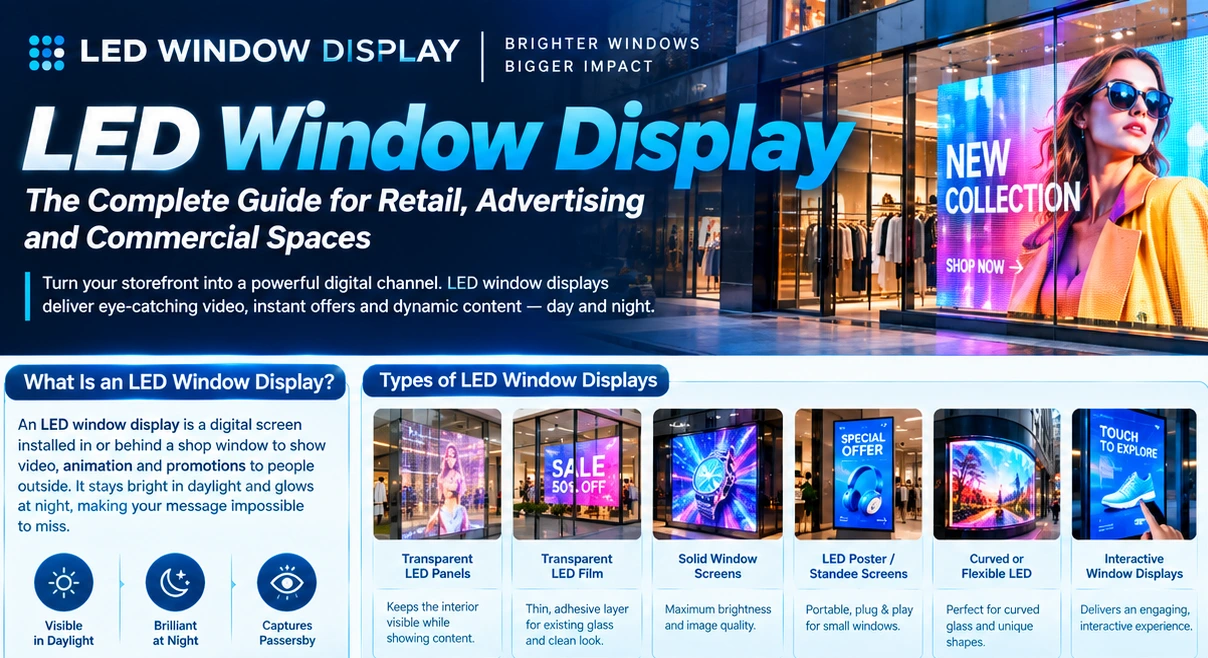
LED Window Display- The Complete Guide for Retail, Advertising, and Commercial Spaces
October 26, 2026
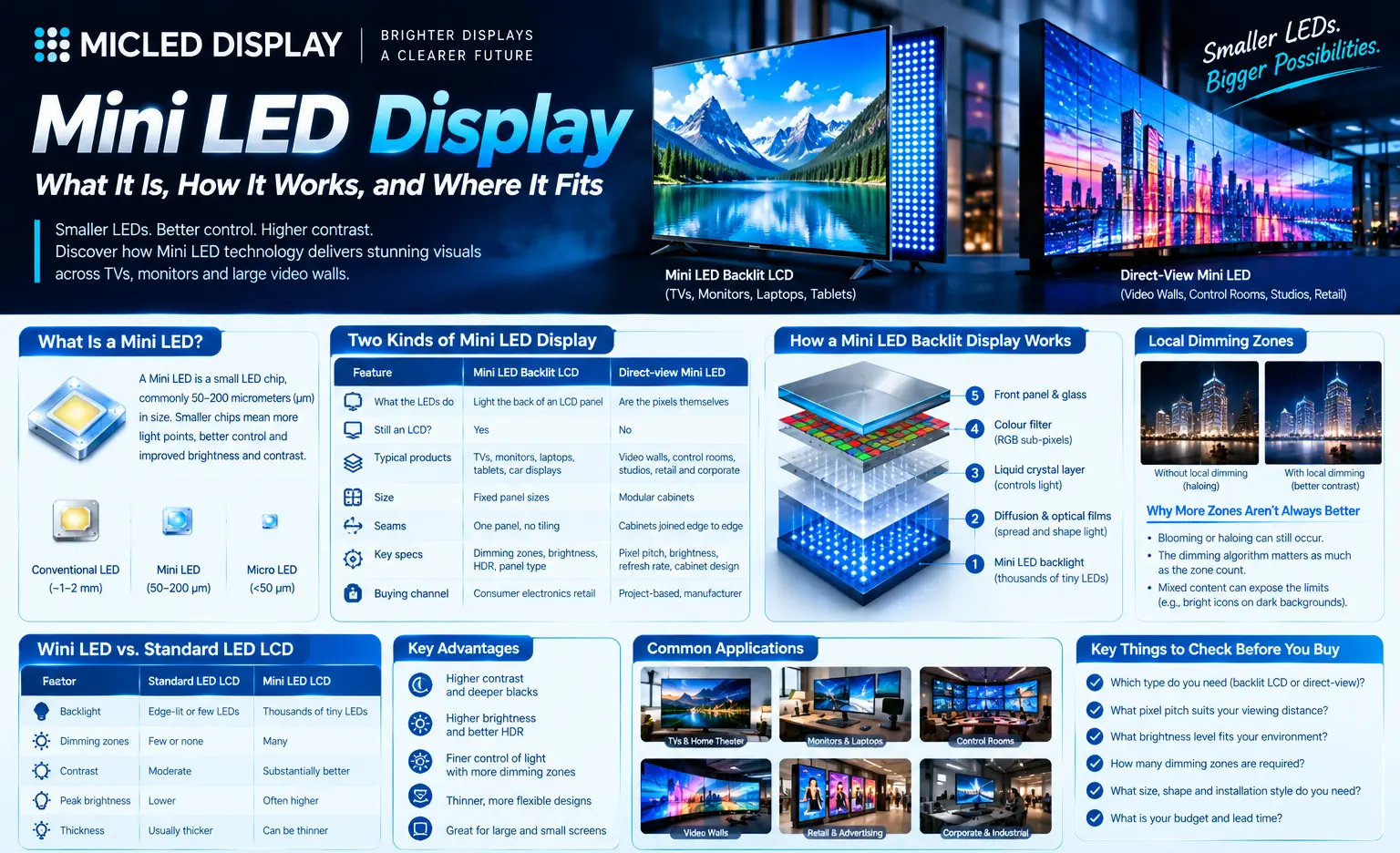
Mini LED Display- What It Is, How It Works, and Where It Fits
October 26, 2026
Naked Eye 3D LED Display - How It Works, Key Specs, Cost and How to Plan One (2026 Guide)
October 16, 2026
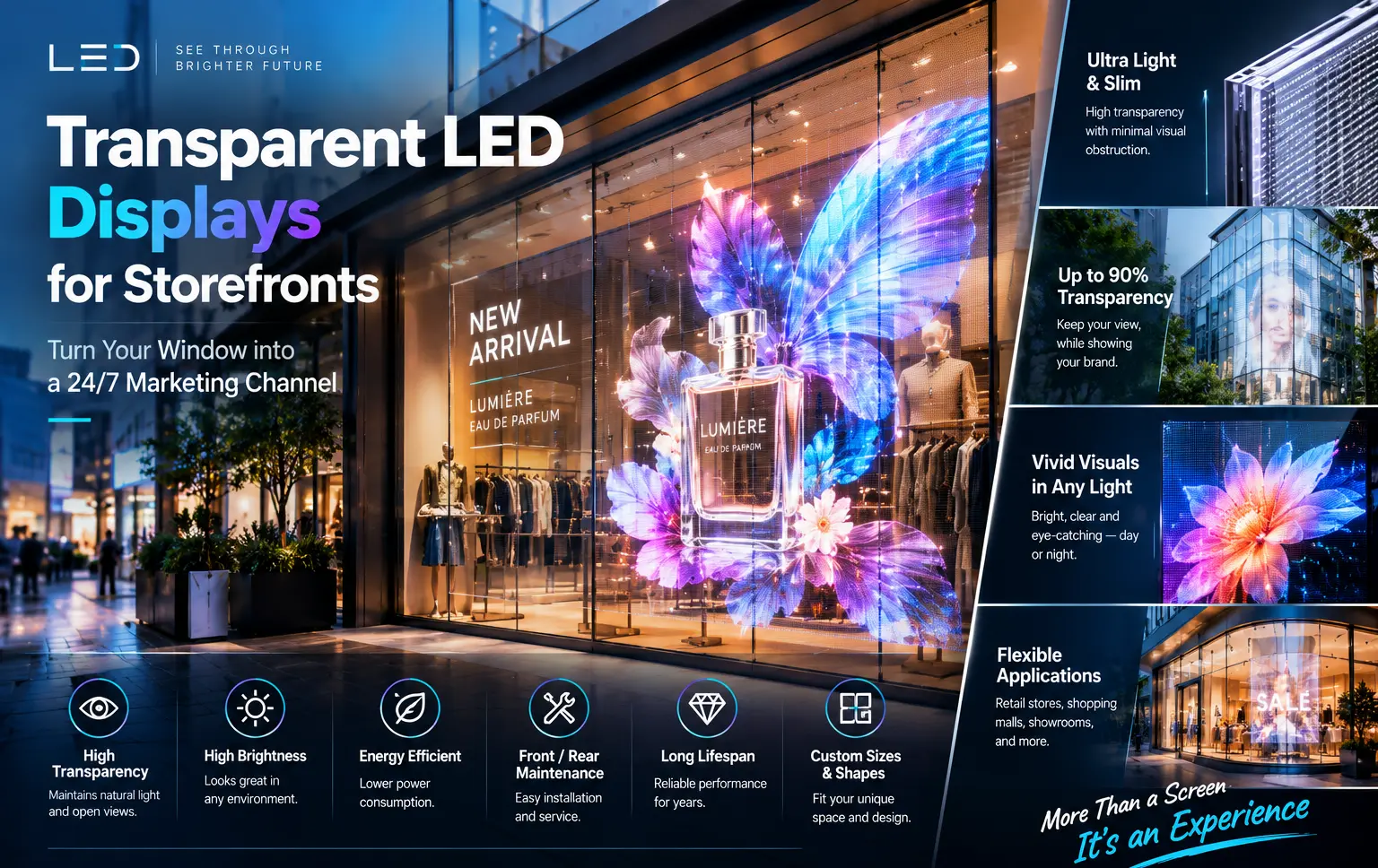
Transparent LED Displays for Storefronts
October 14, 2026
You can buy commercial LED display screens from a direct manufacturer, an authorised distributor, or a local integrator. The right channel depends on your project size, installation needs and whether you require on-site support. Factory-direct suits custom or larger projects with in-house coordination; a local integrator suits projects needing site surveys and installation.
Key takeaways
- Commercial LED display screens are sold through three main channels: direct manufacturers, authorised distributors and local integrators.
- The channel decision turns on project size, customisation need, and who handles installation and on-site support.
- Direct-view LED screens are a separate product family from commercial LCD monitors, and brands such as Hisense, LG, Sharp and Linsn list them as their own category.
- Before ordering, confirm the quoted scope, warranty terms, technical support, spare parts and installation responsibility in writing.
- Confirm authorised-reseller status with the brand or manufacturer rather than relying on a listing or logo.
Where can you buy commercial LED display screens?
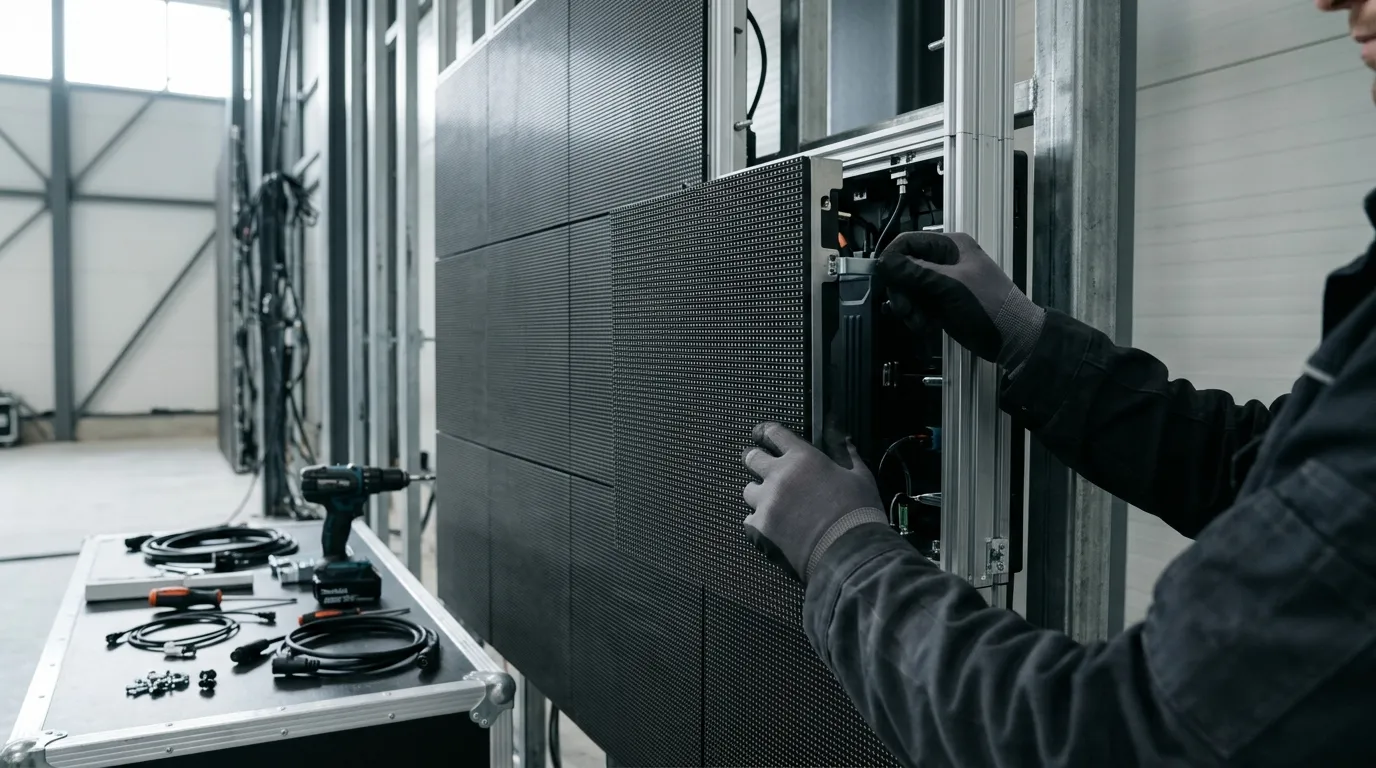
Commercial LED display screens are most commonly bought from a direct manufacturer, an authorised distributor, or a local integrator. Each route puts different responsibilities on the buyer, so the lowest quote is not automatically the right one.
A commercial LED display screen is a direct-view display assembled from LED modules or cabinets and used for advertising, information and video in commercial environments. According to Linsn LED, commercial display categories include indoor fixed, outdoor fixed and poster LED, and some products are offered in custom sizes. LG Business Solutions lists Direct View LED among its commercial display categories and links to a partner programme, while Hisense Commercial Display organises its catalogue into indoor LED, outdoor LED, all-in-one LED and rental LED.
MIC Display is one factory-direct example: a Shenzhen-based LED display factory established in 2011 that designs, produces and sells indoor, outdoor, rental, fine-pitch COB, transparent, LED floor tile and LED poster displays, and exports to more than 100 countries.
| Channel | Typical best fit | Buyer's responsibility | Seller's responsibility |
|---|---|---|---|
| Direct manufacturer | Custom or larger projects where the buyer can coordinate freight and installation | Define the environment, size and structure; arrange shipping and site work | Manufacture to the agreed specification; supply the product and remote technical support |
| Authorised distributor | Buyers who want local supply or in-country warranty handling | Confirm authorised status; still define scope and installation | Supply the brand product locally; process warranty claims under brand terms — verify with the supplier |
| Local integrator | Sites that need a survey, design, installation and on-site support | Approve the design and budget; provide site access | Survey, specify, install and commission; provide local ongoing support |
[DIAGRAM: three-column chart showing where the buyer's responsibility ends and the seller's begins for each channel]
Factory, distributor or local integrator — which fits your project?
Choose the channel that matches who will carry the risk. Buy factory-direct when the project is custom or substantial and you can coordinate specification, logistics and installation; choose a distributor when you need local supply or brand-supported warranty handling; choose a local integrator when site assessment, installation and ongoing on-site support matter most.
When factory-direct purchasing makes sense
Factory-direct purchasing fits projects with custom dimensions, a non-standard installation environment, or a specification the buyer can define and supervise. It also fits buyers who already have an installation team and can manage freight and commissioning themselves.
MIC Display's design team customises screen structure, size and configuration to each project's installation environment, and its range covers small-pitch P0.9375–P1.86, indoor P2–P10 and outdoor P2.5–P10 displays. Buyers specifying an indoor LED display for a retail, control room or stage environment still need to confirm mounting structure and viewing distance on their own side.
When a distributor or local integrator is the better route
A distributor or local integrator fits when the project needs a site survey, structural design, installation, or in-country warranty handling. This matters most when the buyer has no installation team or cannot supervise the site directly.
According to Hisense Commercial Display, its catalogue can be filtered by screen size, brightness, operating hours and region availability — the kind of filtering that helps a local supplier match stock to your environment quickly.
Choose this route if:
- Choose a direct manufacturer if the project needs custom size or structure and you can coordinate installation.
- Choose an authorised distributor if you want brand-backed warranty handled locally.
- Choose a local integrator if the site needs a survey, design, installation and on-site support.
[DIAGRAM: simple decision flow — project size and installation capability lead to one of the three channels]
How to distinguish direct-view LED screens from commercial LCD monitors
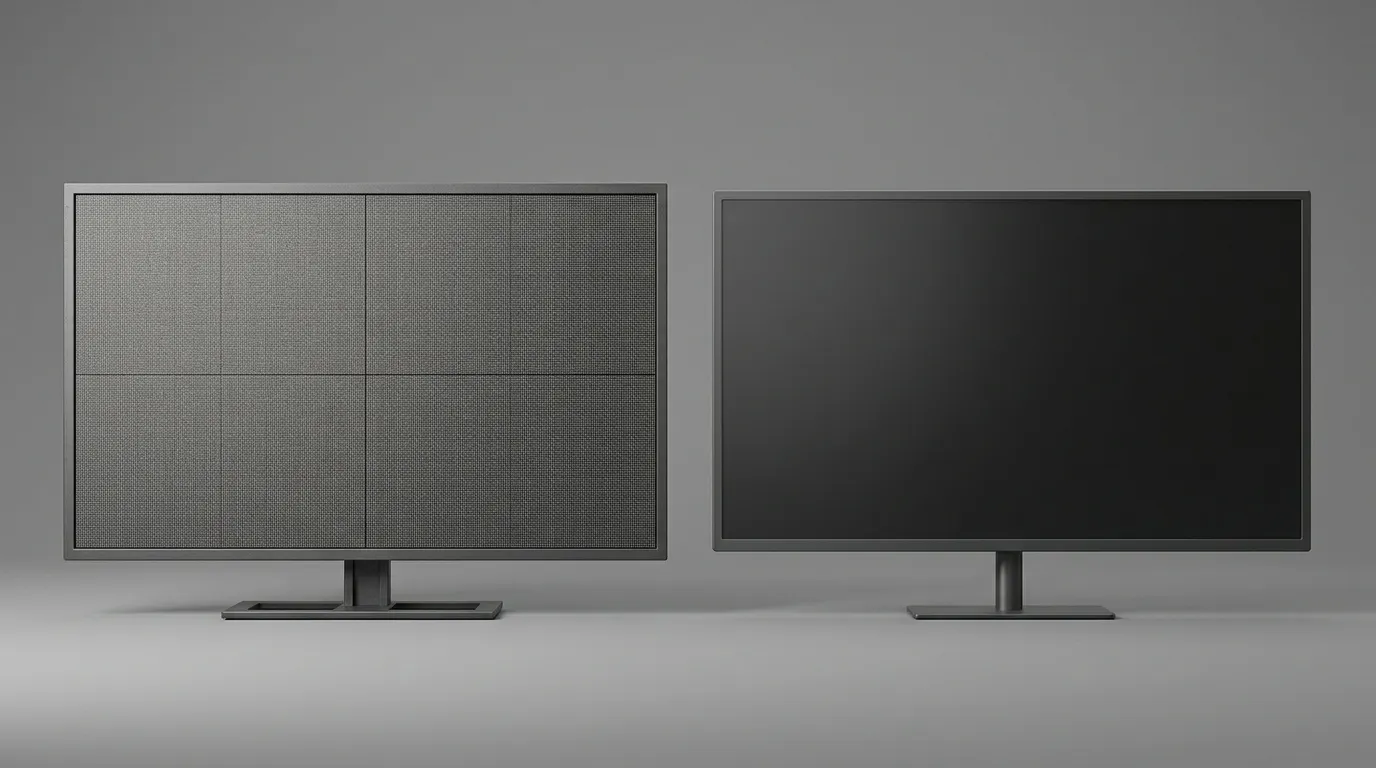
Direct-view LED screens are built from LED modules or cabinets; commercial LCD monitors are panel-based displays. They appear in the same sets of results but are different product families, so a quote for one is not comparable with a quote for the other.
| Aspect | Direct-view LED screen | Commercial LCD monitor |
|---|---|---|
| Construction | Assembled from LED modules or cabinets | Panel-based display unit |
| How brands list it | Listed as its own category by Hisense, LG, Sharp and Linsn | Listed separately under monitors or commercial displays |
| Configuration | MIC Display customises structure, size and configuration to the installation environment | Verify with the supplier |
What to prepare before requesting a quote
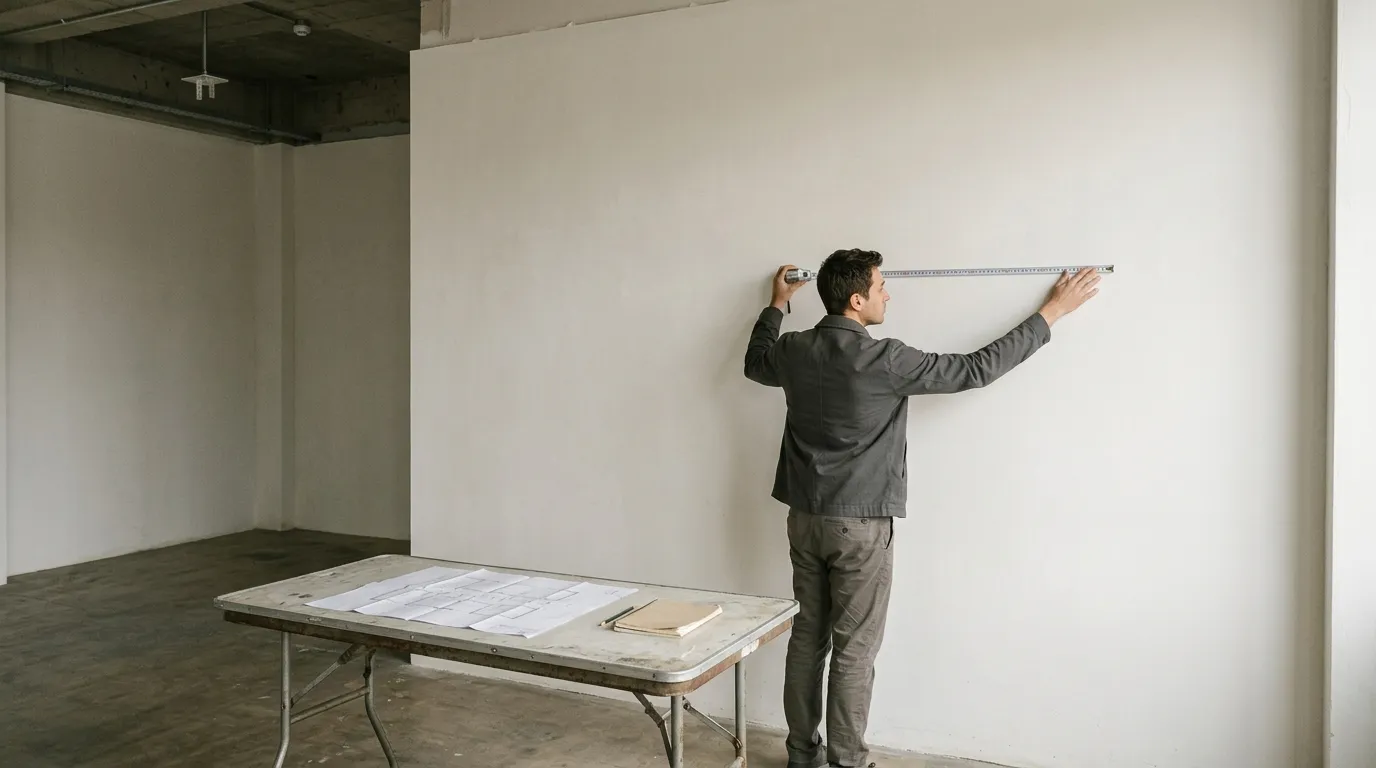
Prepare six things before requesting a quote: the installation environment, approximate screen dimensions, the mounting or wall type, viewing distance and content type, who installs the screen, and who handles freight, commissioning and spare parts.
Because manufacturers such as Hisense and Linsn configure screens against size, environment and structure, a quote is only as good as the project details behind it. The rule that saves the most time: never compare two quotes until you have matched their scope, size, structure and support items line by line. Comparing products within the same product family keeps that comparison meaningful.
Pre-quote checklist:
- Indoor, outdoor or window-facing position
- Approximate screen width and height
- Mounting or wall type and any structural limits
- Viewing distance and the content you will run
- Who carries out installation
- Who arranges freight, commissioning and spare parts
Buyer checklist — what to verify before you order
Before ordering, confirm in writing what is in scope, what is warranted, what support is included, and who installs the screen.
MIC Display's LED display manufacturer checklist advises buyers to verify certifications against the exact product and destination market rather than relying on a logo alone. The same checklist recommends asking about quality-control documentation, pre-sale engineering support, warranty terms, spare parts and support arrangements. MIC Display states that its displays carry a 5–8 year warranty with remote technical support and after-sales service.
Verify before order:
- Quoted scope matched line by line against other quotes
- Warranty terms and what they cover
- Technical support route and how to reach it
- Spare-parts plan for the screen you are buying
- Drawings, documentation and configuration details
- Who installs, commissions and signs off the screen
Ask the brand or manufacturer directly whether the reseller is an authorised channel for the specific product and region. Do not rely on a listing, logo or catalogue page alone. LG Business Solutions, for example, links from its commercial display pages to a partner programme, which shows that brand-verified partner routes exist and can be confirmed with the brand itself.
If you are shortlisting a factory-direct route, MIC Display designs, manufactures and customises indoor, outdoor, rental, fine-pitch COB, transparent, LED floor tile and LED poster displays for commercial, advertising, control room and stage/event projects, and exports to more than 100 countries. You can review its commercial display work to check environment and structure fit, then contact us before requesting a quote — and compare that quote, line by line, against distributor and integrator options.
Frequently asked questions
How much does a commercial LED display screen cost?
There is no universal price for a commercial LED display screen. Cost depends on screen size, pixel pitch, indoor or outdoor environment, structure, and the support scope included. Linsn LED's commercial display page offers a price calculator rather than a fixed figure. Request a project-specific quote and compare quotes on identical scope.
Where can I find a factory that manufactures LED display screens?
LED display factories publish their direct sales channels on their own websites. MIC Display, for example, is a Shenzhen-based LED display factory established in 2011 that exports to more than 100 countries. Manufacturers including Linsn, Hisense and LG also present direct-view LED products through their own commercial display pages. Confirm specification and support scope before ordering.
Can I buy a commercial LED display directly from a manufacturer overseas?
Yes, but you take on more of the coordination. Freight, customs and installation usually sit with the buyer on a factory-direct order. MIC Display customises screen structure, size and configuration to the installation environment and provides remote technical support, so confirm the installation plan and support scope in writing before you order.
Do I need a local integrator, or can I install a commercial LED display myself?
It depends on the site. If the location needs a survey, structural design or on-site commissioning, a local integrator is usually the safer route. If you have an installation team and a straightforward mounting position, factory-direct supply with your own installers can work. Match the channel to who carries the risk.
Share on Social:


Contact Us
Related Posts
LED Window Display- The Complete Guide for Retail, Advertising, and Commercial Spaces
October 26, 2026
Mini LED Display- What It Is, How It Works, and Where It Fits
October 26, 2026
Naked Eye 3D LED Display - How It Works, Key Specs, Cost and How to Plan One (2026 Guide)
October 16, 2026
Transparent LED Displays for Storefronts
October 14, 2026


